Nov 5, 2026 · 1h 22m
Algorithms turn everyday prices into personalized negotiations
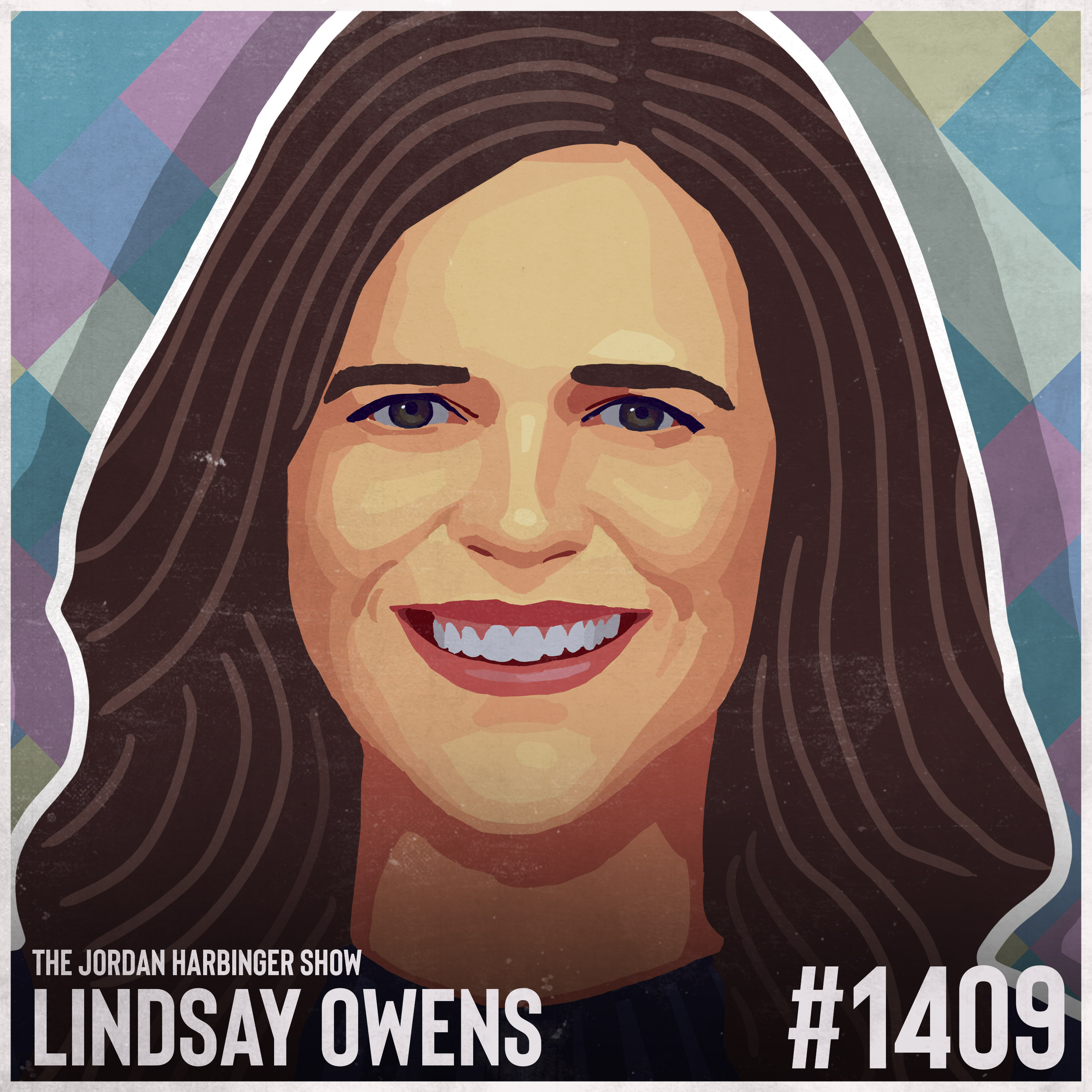
1409: Lindsay Owens | How Your Own Data Is Used to Overcharge You
The episode shows how opaque data systems can weaken comparison shopping, coordinate prices, and shift the burden of fairness onto consumers.
- 1Shared pricing data can help landlords and other companies coordinate higher prices without traditional cartel meetings.
- 2Personalized pricing uses browsing, location, purchase, and behavioral data to estimate what each customer may pay.
- 3Transparent prices, repair rights, privacy protections, and policy reform are needed to restore meaningful consumer choice.
Don't miss
Owens connects the historical Phoebus light-bulb cartel’s demand-preserving strategy to modern algorithmic coordination and corporate control.
The brief
Lindsay Owens argues that pricing software can turn shared market data into coordinated rent increases, as the RealPage case illustrates.
The same logic reaches groceries, flights, insurance, and rides: companies can test prices against personal data rather than offer one comparable price.
Owens recommends checking logged-in and logged-out prices across devices, browsers, apps, and locations, while acknowledging that this makes consumers police the market.
The conversation links modern algorithmic pricing to the Phoebus light-bulb cartel and repair restrictions from Apple, John Deere, and others.
The episode’s answer is not perfect consumer vigilance but fairer systems: visible prices, unit pricing, repair rights, privacy limits, and policy reform.
Weekly email
State of the Pod, every Monday
The week's most-discussed names and stories from podcasts, with the moments behind them. Free, five minutes, unsubscribe in one click.