Nov 10, 2026 · 33 min
Animals expose climate shifts before humans detect them
What animals know about climate change that humans don’t
Wildlife behavior can reveal changes in ecosystems and oceans early, but using animals as sensors raises difficult ethical questions.
- 1Displaced seabirds reveal how El Niño disrupts anchovy populations and reshapes ocean food webs.
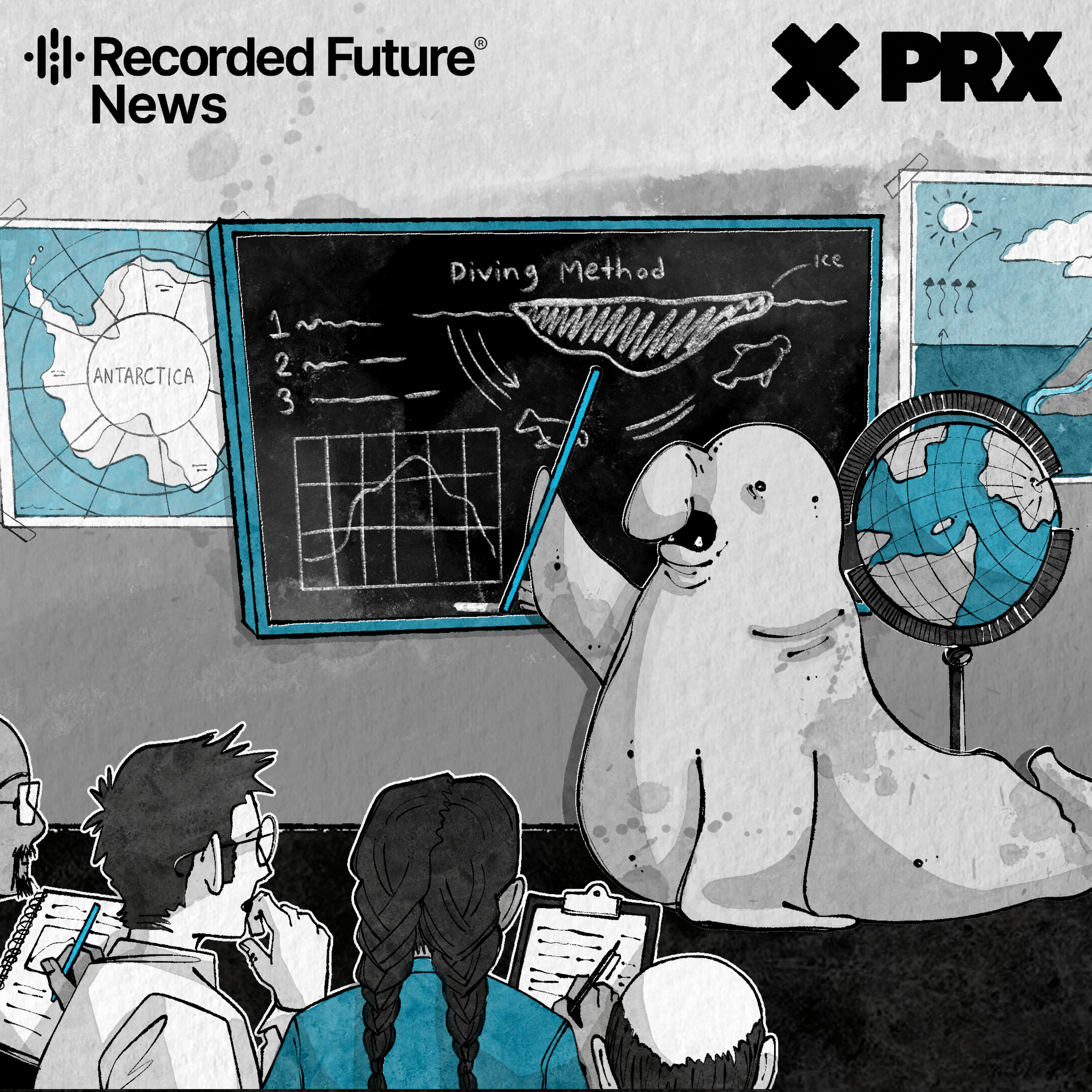
- 2Elephant seals carry sensors into Antarctic waters, collecting environmental data that humans struggle to obtain.
- 3Animal tracking can advance science and inspire music while imposing real burdens on the creatures being monitored.
Don't miss
Rosabelle Miro uses eBird records to show that displaced Peruvian boobies are appearing across the region in unusually large numbers.
The brief
Peruvian boobies and Inca terns appearing far from their usual range in Panama point to El Niño’s disruption of anchovy populations and the wider ocean food web.
Using eBird sightings, Rosabelle Miro finds the birds’ unusual northward presence is part of a regional pattern, with larger numbers than earlier El Niño events.
Diego Ellis Soto describes an Internet of Animals: creatures respond collectively to changing conditions, while elephant seals gather temperature, humidity, and pressure data in Antarctic waters.
The science carries a moral tension: sensors can fill major environmental gaps, but attaching devices may stress animals or turn them into research instruments.
Diego also transforms animal movements and sounds into music, before the episode’s technology roundup examines hacks, AI search, vulnerable refrigeration, and Olympic judging.
Weekly email
State of the Pod, every Monday
The week's most-discussed names and stories from podcasts, with the moments behind them. Free, five minutes, unsubscribe in one click.