Nov 6, 2026 · 50 min
Facial recognition finds the missing—and erases anonymity
Facial recognition can find missing people. It can find you, too.
The same systems that can reunite families and identify unknown people can also enable biased arrests, pervasive tracking, and permanent biometric exposure.
- 1Scraped facial databases can solve cases traditional investigations and official records failed to resolve.
- 2Facial recognition errors and racial bias can turn algorithmic suggestions into wrongful arrests and unchecked surveillance.
- 3Public-space anonymity is disappearing as police and federal agencies expand facial recognition without clear safeguards.
Don't miss
A volunteer’s TikTok post helps someone recognize Callie, giving her mother an answer after a long, unexplained disappearance.
The brief
Facial recognition is changing public life by removing the friction that once let people appear in public without being readily identified.
The technology’s strongest case is humanitarian: it helped locate a missing and exploited child and contributed to identifying what happened to Callie.
Kevin Metcalf describes the breakthrough enabled by Clearview AI, while Matthias Marx illustrates the permanence of a face stored in a biometric database.
Clare Garvie explains why inaccurate matches, racial bias, confirmation bias, and weak safeguards can convert algorithmic leads into wrongful arrests.
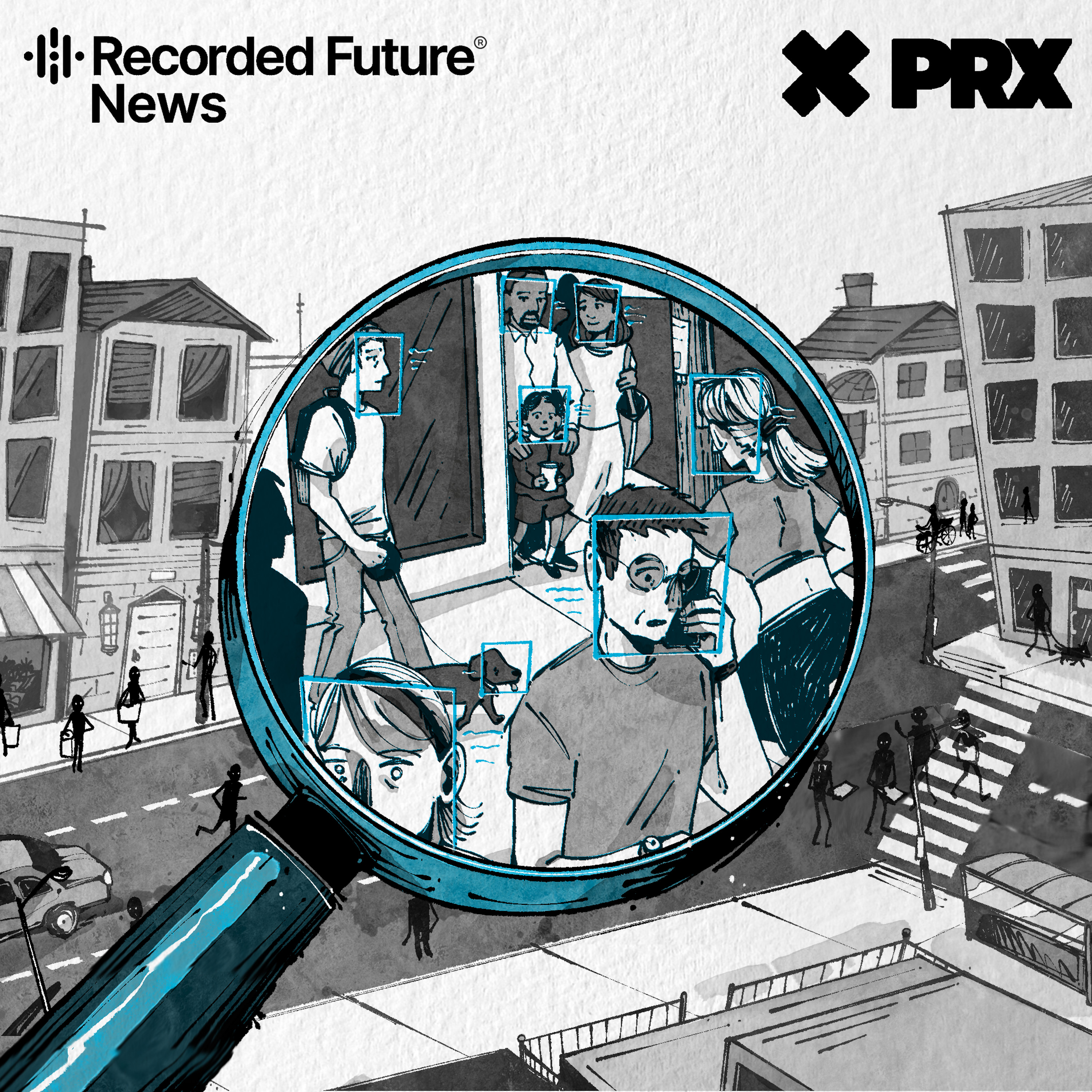
The episode’s central tension is stark: systems built to find vulnerable people can also make everyone in public searchable, trackable, and less anonymous.
Weekly email
State of the Pod, every Monday
The week's most-discussed names and stories from podcasts, with the moments behind them. Free, five minutes, unsubscribe in one click.