Oct 25, 2026 · 19 min
Book bans turn disagreement into a fight over public access
The Truth About Banned Books (And Why It Matters)
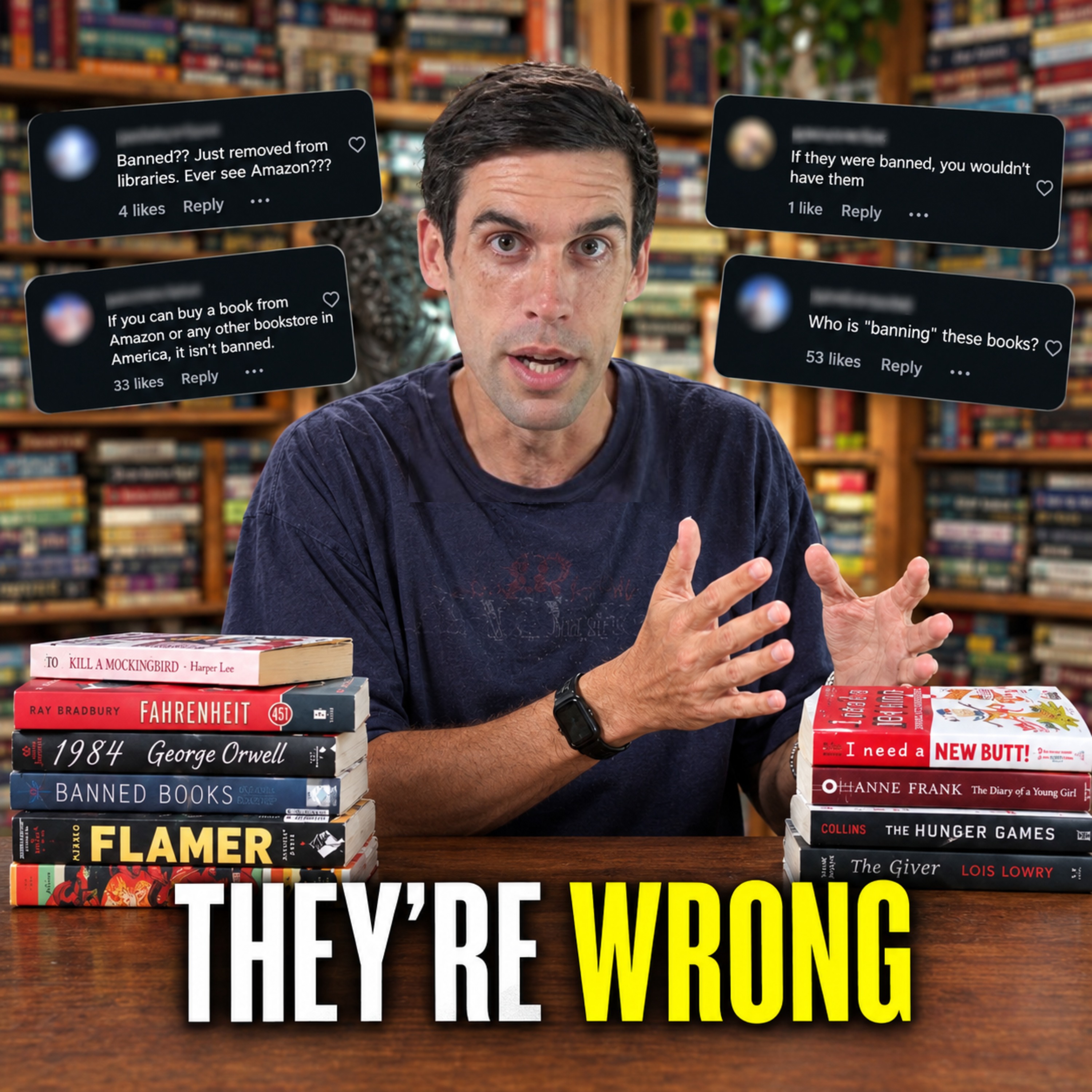
As bans spread through schools and communities, the episode argues that restricting books limits the reading, thinking, and questioning essential to a free society.
- 1Book bans are resurging in the United States, with Texas emerging as a central focus of the episode’s concern.
- 2Misinformation can intensify disputes over books, but disagreement alone does not justify preventing others from reading them.
- 3The history of challenged works shows why access matters: difficult ideas can be examined rather than suppressed.
Don't miss
The episode’s clearest argument is that disagreement with a book cannot justify denying others the chance to read and judge it.
The brief
Ryan Holiday opens on the resurgence of book bans, especially in Texas, and the misinformation shaping how schools and communities debate what belongs on shelves.
The episode’s central distinction is simple but consequential: disliking or disputing a book does not justify stopping other people from reading, thinking, and questioning it.
References to Maya Angelou, the Naval Academy, and Bastrop place the debate across American institutions and communities rather than treating censorship as a distant historical problem.
The discussion connects current bans with older controversies involving works such as Uncle Tom's Cabin, the Bible, and Leo Tolstoy’s A Calendar of Wisdom.
The standout idea is that intellectual freedom requires access to difficult material, because readers cannot assess arguments or misinformation when authorities remove the opportunity to encounter them.
Books & mentions
Some links are affiliate links — PodLume may earn a commission if you buy.

Weekly email
State of the Pod, every Monday
The week's most-discussed names and stories from podcasts, with the moments behind them. Free, five minutes, unsubscribe in one click.