Oct 20, 2026 · 60 min
Broken hierarchies turn colleagues into rivals
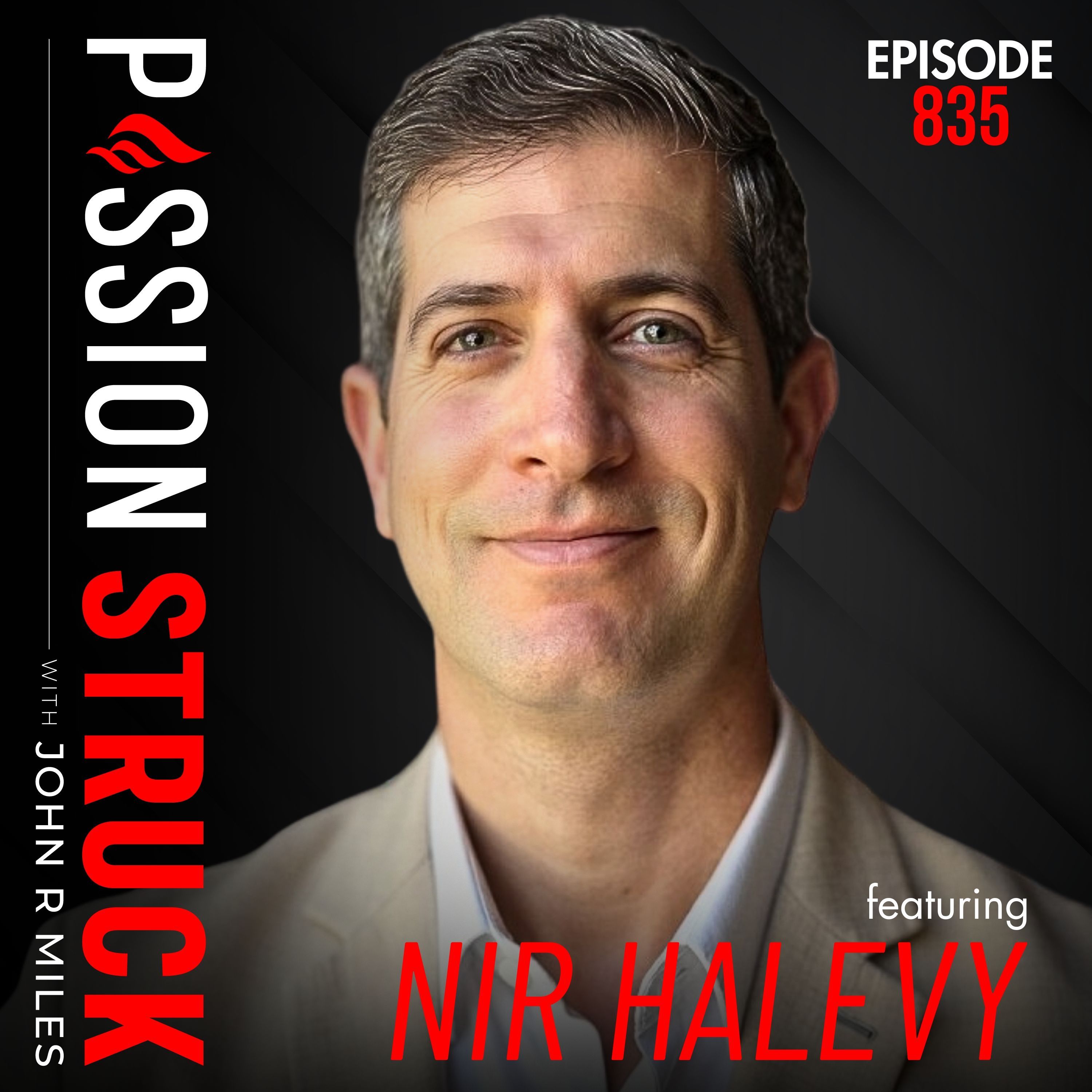
Why Your Workplace Turns Colleagues Into Competitors | Dr. Nir Halevy – EP 835
The episode shows how rankings, unfairness, and unstable power can damage cooperation while relatedness and prestige-based leadership rebuild trust.
- 1Hierarchies provide structure, but forced rankings and abused power can turn collaboration into information hoarding and sabotage.
- 2Dominance seeks control, while prestige earns influence through competence, generosity, and contributions that strengthen the group.
- 3Leaders can repair broken systems by making fairness, pluralism, shared values, and relatedness part of everyday practice.
Don't miss
Halevy explains why a UCLA Health experiment that showed physicians their performance rankings failed to improve care and reduced job satisfaction.
The brief
Stanford professor Nir Halevy traces workplace rivalry to a basic tension in social life: hierarchies coordinate groups, but they also make people compare status and worth.
Forced rankings can clarify performance, yet they may also reward information hoarding, weaken cooperation, and leave people competing against colleagues they still need.
Halevy distinguishes dominance from prestige: authority can compel compliance, while competence, generosity, and contribution create influence people are willing to follow.
A UCLA Health ranking experiment illustrates the danger of comparison without value: showing physicians where they stood failed to improve care and reduced job satisfaction.
The episode’s test for leaders is simple but demanding: does the hierarchy bring people closer together or pull them apart?
Books & mentions
Some links are affiliate links — PodLume may earn a commission if you buy.

Weekly email
State of the Pod, every Monday
The week's most-discussed names and stories from podcasts, with the moments behind them. Free, five minutes, unsubscribe in one click.