Oct 14, 2026 · 16 min
Flock cameras turn vehicle sightings into searchable surveillance
What Flock cameras really see – and how
The episode shows how a growing camera network can transform routine travel into searchable data, while oversight and legal limits remain contested.
- 1Flock cameras capture repeated images and detailed vehicle attributes, creating continuous records rather than occasional license-plate snapshots.
- 2Police can search the system through a web portal without a warrant, court order, or meaningful supervisory approval.
- 3Reported uses involving immigration, abortion investigations, and stalking are fueling lawsuits, proposed restrictions, and community camera mapping.
Don't miss
Joseph Cox explains how Flock can search for vehicles using descriptions such as color, damage, make, model, and other distinguishing features.
The brief
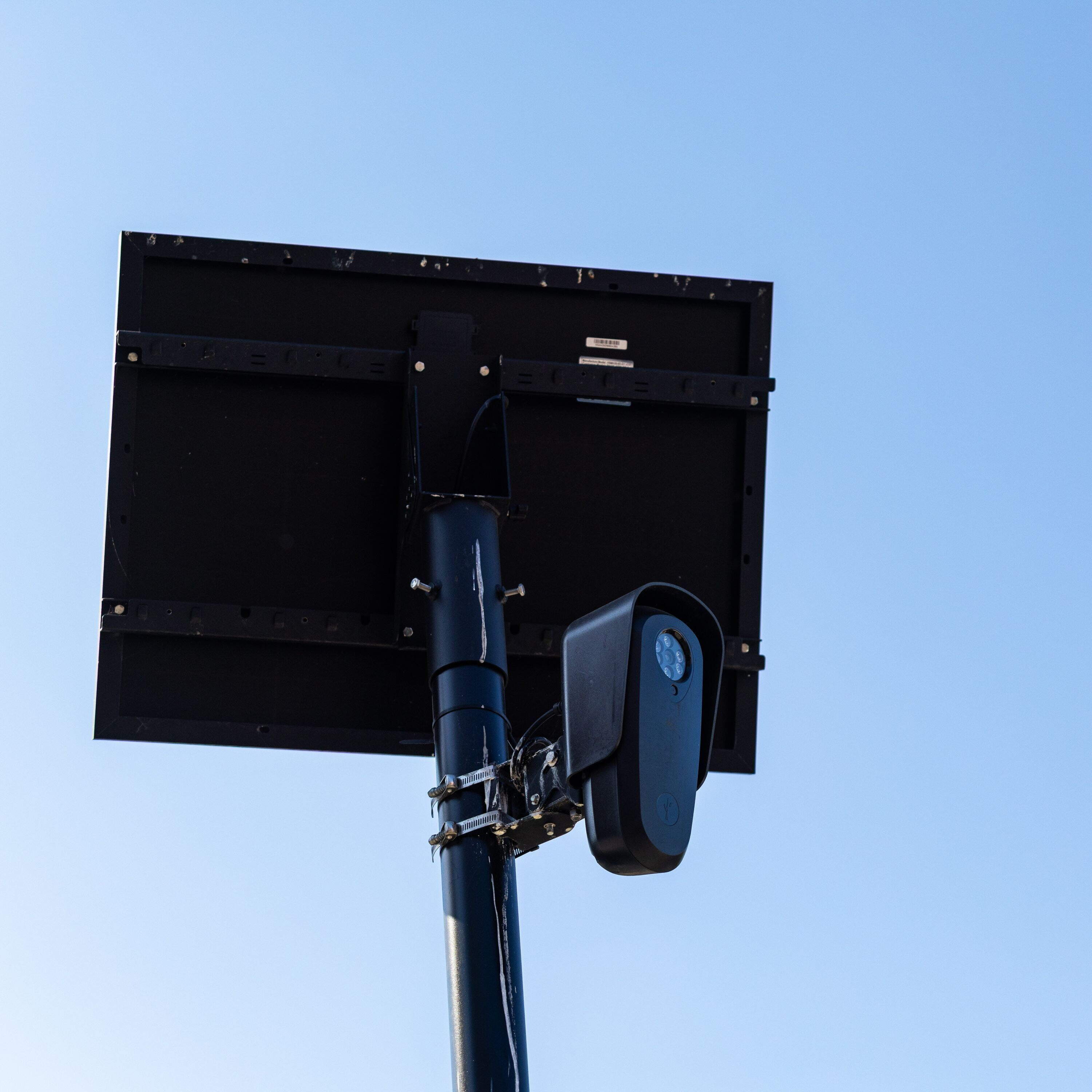
Flock cameras are presented as license-plate readers, but the episode examines a broader surveillance network that records vehicles across the country and makes the data available to law enforcement.
Joseph Cox describes rare access obtained by Wired to a Flock camera’s data and code, revealing many images of each passing vehicle and a continuous record of movement.
The system extracts color, make, model, damage, and other distinguishing features, allowing police to search with natural-language descriptions based on witness accounts.
Some systems can detect people and motorcycles, while Condor cameras provide more focused live video; efforts to add facial recognition widen the stakes.
The episode details searches tied to immigration enforcement, abortion investigations, and stalking, alongside claims that officers can access the portal without warrants or meaningful approval.
Legal challenges and public camera maps reflect a central question: whether pervasive, searchable surveillance can expand faster than the rules governing it.