Oct 16, 2026 · 9 min
Physics reveals how extinct predators and carcasses reshape ecosystems
The terrifying physics of prehistoric sea monsters
The episode shows how modeling and field research expose hidden effects of animal movement, death, and infection while keeping scientific uncertainty in view.
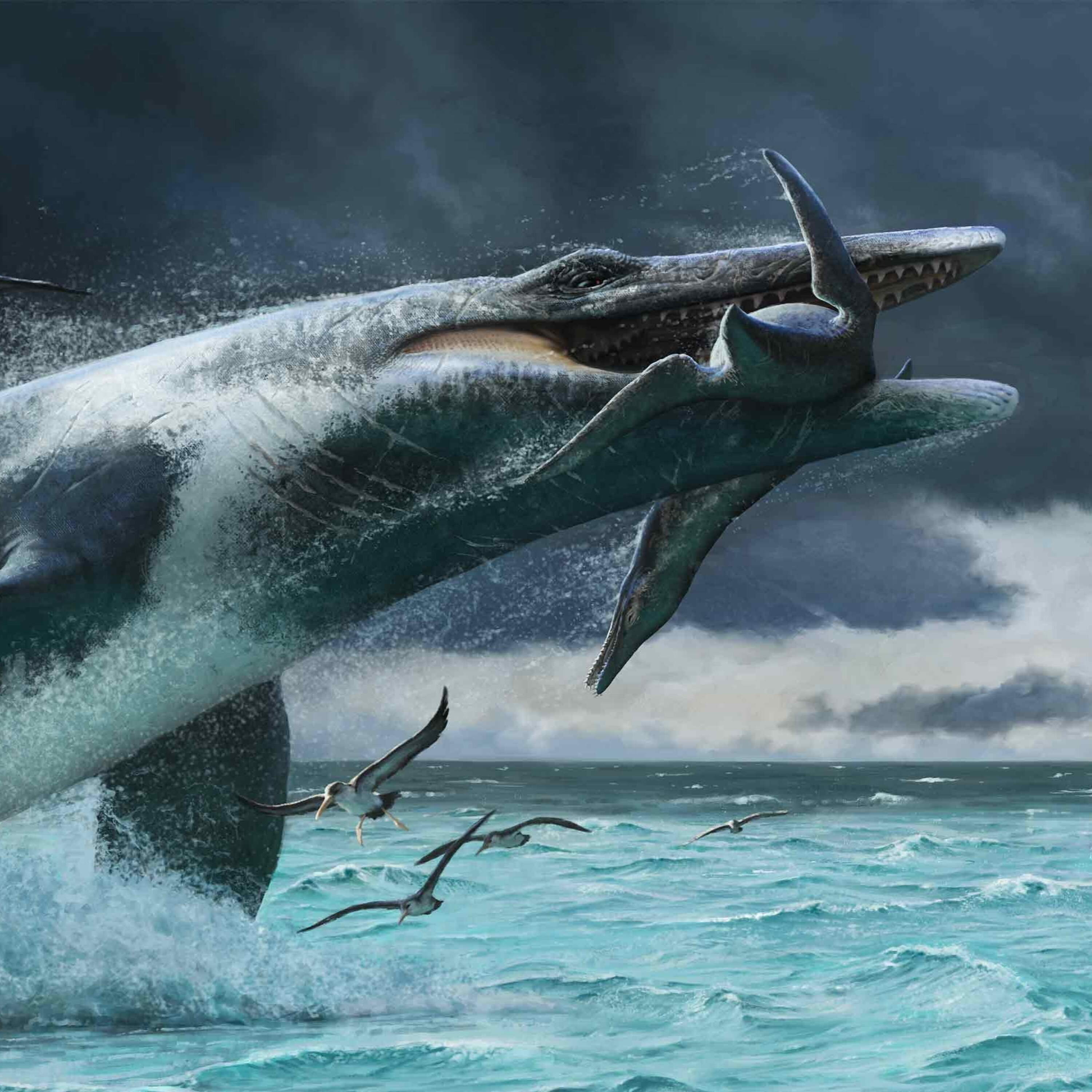
- 1Physics-based models suggest some mosasaurs used powerful tail-driven bursts to ambush prey.
- 2Elephant carcasses evolve from barren cold spots into nutrient-rich savanna hotspots lasting for years.
- 3Severe long COVID symptoms correlate with altered respiratory microbiomes, but causation remains unresolved.
Don't miss
The mosasaur research’s “slam start” model turns an extinct predator’s ambush into a problem that physics can investigate.
The brief
Short Wave moves from prehistoric seas to African savannas and human illness, asking how science reveals processes that are difficult to observe directly.
Physics-based models suggest some mosasaurs launched through the water with powerful, stealthy tail-driven “slam starts,” offering clues to extinct hunting behavior.
In Kruger National Park, elephant carcasses first create barren, cold patches before becoming nutrient-rich hotspots that support plants and animals for years.
The episode then examines respiratory microbiomes in people with severe long COVID, while researchers stress that correlation cannot establish which way the relationship runs.
Together, the stories show how models, field observations, and microbiome studies can reveal hidden dynamics without erasing the uncertainty in the evidence.