Sep 29, 2026 · 1h 35m
How corruption made Putin’s authoritarian bargain possible
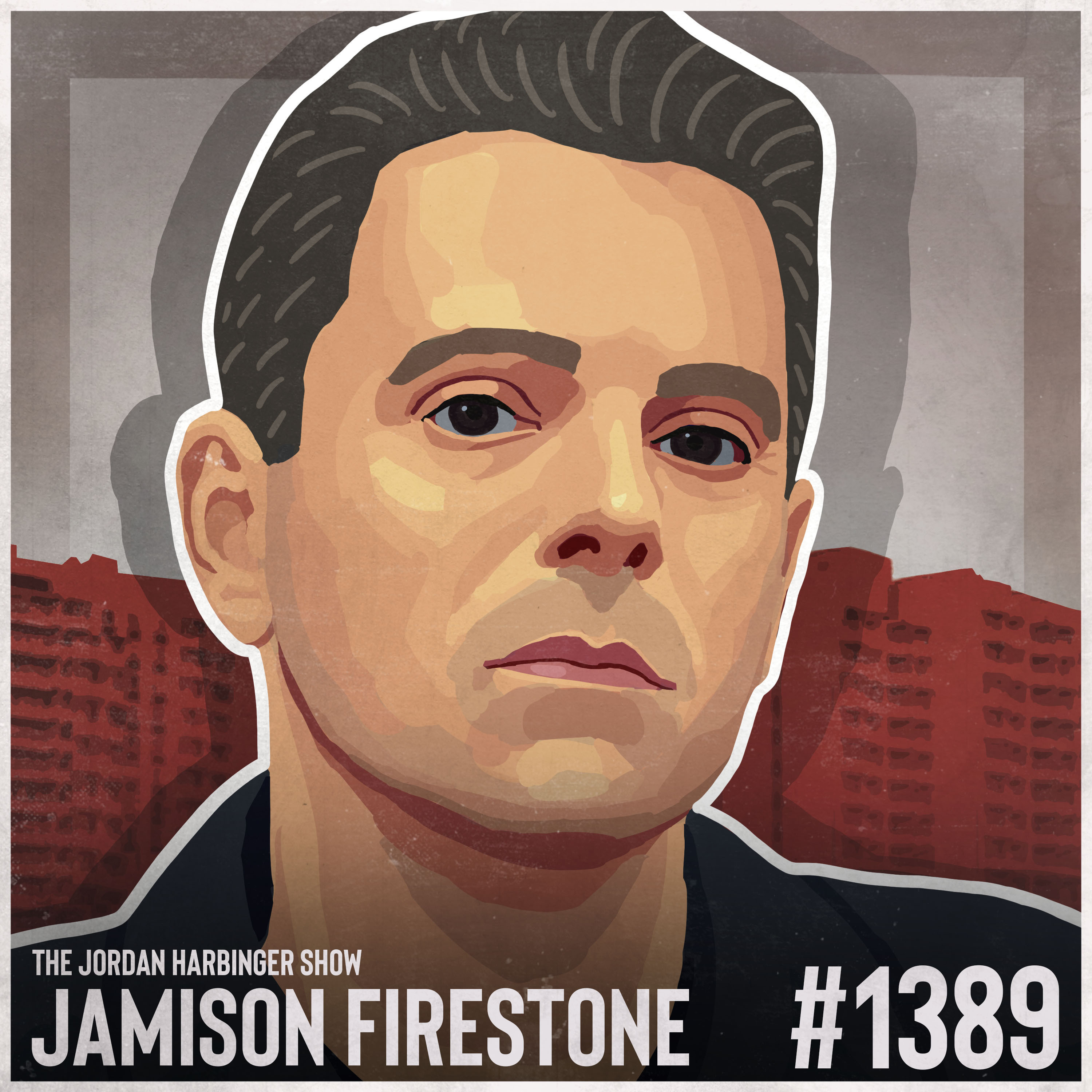
1389: Jamison Firestone | A Wild Ride Through Putin's Corrupt Russia
Jamison Firestone connects Magnitsky’s death, Russia’s lawless transition, and the erosion of democratic safeguards to a broader warning about protecting institutions.
- 1Russia’s post-Soviet chaos fused organized crime, political power, and courts into a system where justice could be bought or weaponized.
- 2Sergei Magnitsky’s imprisonment and death turned a corruption investigation into a campaign for targeted sanctions against Russian officials.
- 3Firestone argues that defending democratic institutions matters more than endorsing authoritarian methods for short-term political goals.
Don't miss
Firestone recounts how Sergei Magnitsky was denied medical care, pressured in custody, and ultimately died before officials tried to rewrite his story.
The brief
Jamison Firestone recounts practicing law in post-Soviet Russia, where courts, tax agencies, organized crime, and political power often operated as parts of one system.
His stories range from fleeing Russia after Sergei Magnitsky’s imprisonment to using armed private teams against business partners, revealing how ordinary disputes could become matters of survival.
Firestone links that lawless environment to Putin’s bargain: after poverty, corruption, and weak state protection, stability became more valuable than democratic accountability.
Magnitsky’s death transformed a fraud investigation into a sanctions campaign targeting officials’ overseas assets, property, and access rather than issuing general condemnation.
The episode ends with a warning drawn from Boris Yeltsin’s assault on democratic safeguards: institutions and the rule of law must survive even when policy goals seem urgent.
