Oct 28, 2026 · 13 min
MAHA’s health agenda collides with its political coalition
MAHA’s midterm report card
The midterms will test whether food policy, chemical safety, and chronic disease can unite a movement divided over evidence and party loyalty.
- 1MAHA has advanced food-policy promises unevenly, with dietary-guideline changes and voluntary dye commitments but little action on ultra-processed foods.
- 2Environmental activists expected stronger action on PFAS, air pollution, mercury, and formaldehyde, increasing frustration with EPA choices.
- 3Support for glyphosate and experimental therapies exposes tensions between grassroots health advocates, wellness culture, and the administration.
Don't miss
Kelly Ryerson’s criticism over glyphosate reveals how a policy choice can expose the deeper divisions inside MAHA.
The brief
Make America Healthy Again combines popular concerns about food quality, toxic chemicals, and chronic disease with a more skeptical, vaccine-focused faction. The midterms will test whether that coalition can hold.
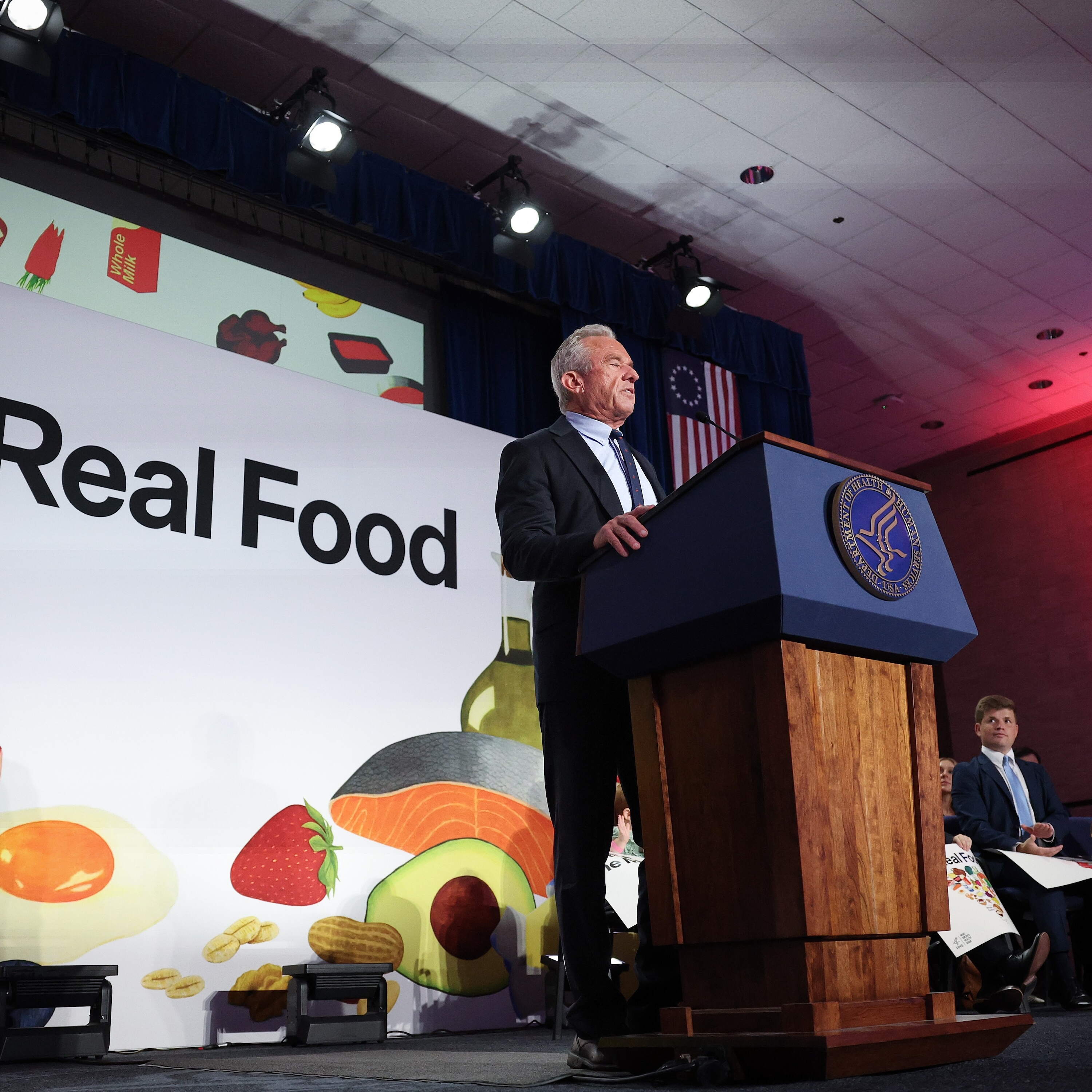
Will Stone assesses an uneven food-policy record: revised dietary guidelines and voluntary commitments to phase out dyes, but no major regulatory action against ultra-processed foods.
Environmental concerns sharpen the conflict. Frustration over EPA staffing and policy choices has grown among activists who expected stronger action on PFAS, air pollution, mercury, and formaldehyde.
Glyphosate becomes the clearest rupture: administration support for protecting or expanding its use has prompted environmental health advocate Kelly Ryerson to criticize the White House.
The episode closes on MAHA’s political dilemma: voters may prioritize party loyalty, while activists debate whether the movement should broaden beyond its Republican association.
Weekly email
State of the Pod, every Monday
The week's most-discussed names and stories from podcasts, with the moments behind them. Free, five minutes, unsubscribe in one click.