Oct 29, 2026 · 18 min
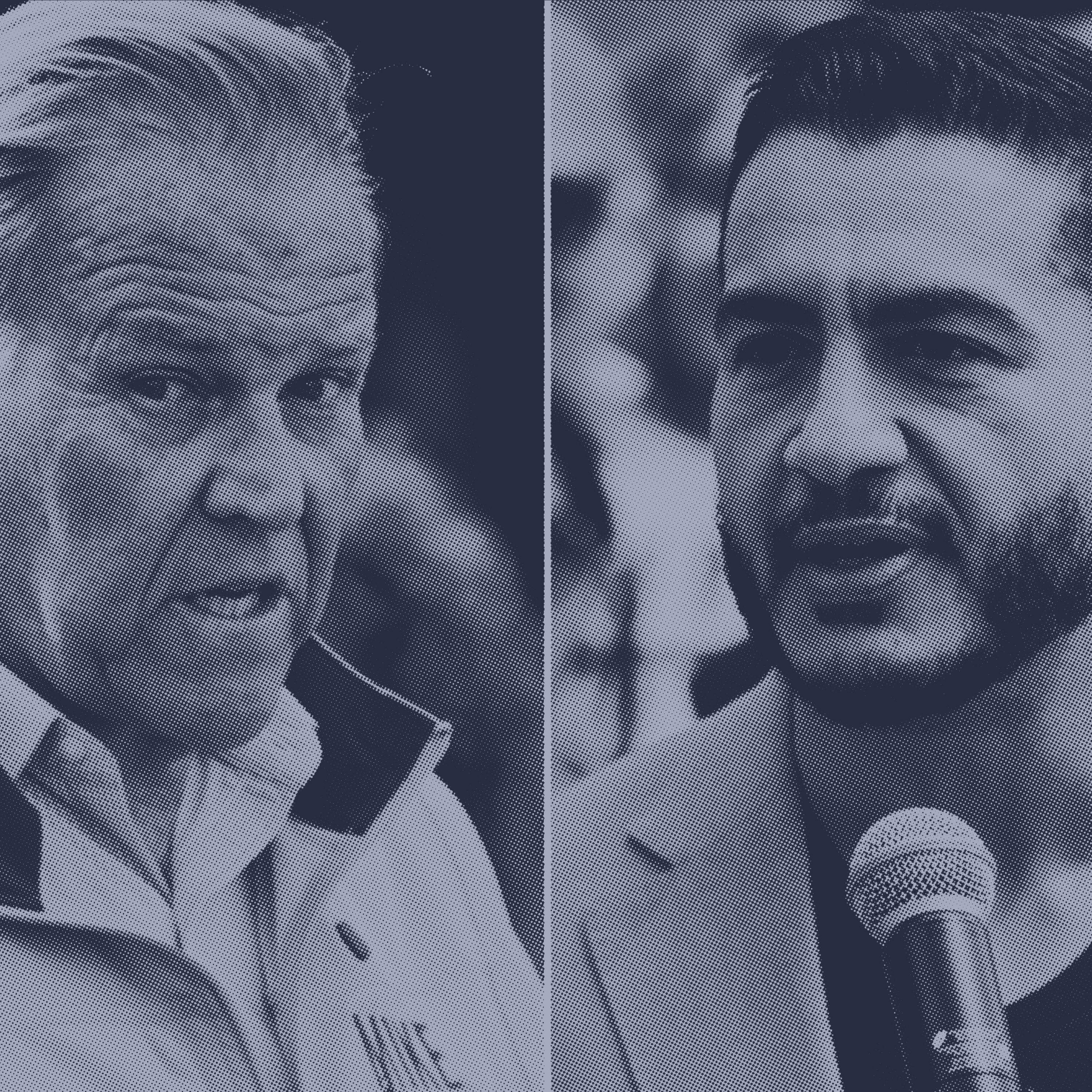
Michigan Senate race tests Trump’s reach and Democratic unity
Michigan's Senate race is coming down to the wire
The contest could help decide Senate control while testing how economic appeals, identity politics, and election legitimacy shape a pivotal battleground.
- 1Mike Rogers ties Abdul El-Sayed to national security controversies while El-Sayed centers costs, health care, and economic concerns.
- 2El-Sayed must rebuild support among Black and Jewish voters after a divisive primary and scrutiny of his statements and associations.
- 3Alaska’s second Dan Sullivan controversy and ranked-choice voting add another uncertain Senate battleground, alongside questions about accepting results.
Don't miss
The panel argues that Donald Trump’s refusal to accept Alaska’s results unless Republicans win crosses a serious democratic line.
The brief
Michigan’s open Senate seat has become a national fight: Mike Rogers is courting Donald Trump’s coalition while Abdul El-Sayed argues that everyday costs matter more.
Rogers attacks El-Sayed through associations with the Muslim Brotherhood, Hamas, and Hezbollah; El-Sayed answers with gas, groceries, health care, and Medicare for All.
The harder problem for El-Sayed is coalition repair: he must win back Black and Jewish voters while answering criticism of his comments and Hasan Piker connection.
Election-night clues may come from Wayne and Oakland counties, rural Michigan, and young voters in Ann Arbor, but the panel warns that causality will be murky.
In Alaska, a second Dan Sullivan may have been recruited to siphon Republican votes; ranked-choice voting turns the controversy into a possible Senate-control story.
The sharpest warning comes over Donald Trump’s refusal to accept Alaska’s result unless Republicans win, a stance the panel says crosses a democratic line.
What was said on this episode
16 statements · 5 positive · 4 negative · 1 mixed · 6 neutral
Michigan’s Senate race is highly competitive.
“This is very much a toss-up race.”
Listen at 1:31
Donald Trump’s approval ratings in Michigan are very poor.
“Michigan, like many other states. has turned against Trump and his approval ratings there are very bad.”
Listen at 5:04
Tariffs on Canada are increasing prices for Michigan voters.
“the tariffs really mean something to voters there. They understand how the tariffs are increasing prices.”
Listen at 5:14
Negative partisanship strongly motivates voters to block candidates.
“Voters go into the polling booth and they cast their vote to stop someone from becoming elected rather than because they're super enthusiastic about the person they're voting for.”
Listen at 6:49
Gas, health-care, and housing costs are top issues for many voters.
“For other people, price of gas, price of health care, housing, those are the top issues.”
Listen at 8:53
Abdul El-Sayed is struggling to regain some Black and Jewish voters.
“Al-Sayed seems to be having a bit more challenge. bringing some black voters, some Jewish voters back into the Democratic fold who supported his opponent in the primary, Congresswoman Haley Stevens.”
Listen at 9:49
Abdul El-Sayed should still be able to win Michigan.
“And so on balance, he should still be able to pull out a win in Michigan.”
Listen at 10:12
Abdul El-Sayed is trailing other statewide Democratic candidates.
“we know that he is running way behind other statewide Democratic candidates.”
Listen at 10:54
El-Sayed’s outreach may not secure the Democratic coalition or victory.
“It's not clear if it will be enough to sew up the coalition and win in this narrowly divided state.”
Listen at 11:02
Polls indicate Abdul El-Sayed is in a close Michigan race.
“this is one reason polls suggest El-Sayed is in a tight race in Michigan”
Listen at 11:48
Ann Arbor’s young-voter turnout will be unusually strong.
“It will be.”
Listen at 13:57
Ballot stacking is common and has been used by both parties in Alaska.
“This is called ballot stacking. It is not unusual. It's actually pretty common in politics. Both parties have used it in Alaska before.”
Listen at 15:39
Alaska’s Senate winner may not be known until weeks after Election Day.
“We're probably not going to know who wins that race the morning after. It might be weeks.”
Listen at 15:58
Mary Peltola has run a strong, authentically Alaskan campaign.
“She's run a very, very good campaign. She's run a real Alaskan campaign.”
Listen at 16:34
Alaska’s Senate race could determine control of the U.S. Senate.
“Alaska could be the Senate race that determines control of the Senate.”
Listen at 16:55
Democracy requires both parties to accept election results after losing.
“Democracy only works when both parties accept the results of elections, even if they lose.”
Listen at 17:20
Statements are attributed to the speaker as said on the episode and reflect their view at the time, not PodLume's. They are not advice.
Weekly email
State of the Pod, every Monday
The week's most-discussed names and stories from podcasts, with the moments behind them. Free, five minutes, unsubscribe in one click.