Oct 21, 2026 · 9 min
Mona Chalabi challenges America’s evasive class language
The case for sharing your salary
More honest conversations about income and insecurity could change how people understand economic power, taxes, and government support.
- 1The broad “middle class” label can obscure meaningful differences in income, wealth, and economic power.
- 2Financial insecurity affects people across the income ladder, driven by both consumer pressure and unpredictable life events.
- 3Mona Chalabi includes her own finances to make class reporting more transparent and intellectually honest.
Don't miss
Mona Chalabi explains why she published her own income, bank balance, and financial history rather than presenting herself as an objective observer.
The brief
Mona Chalabi argues that money can shape people’s lives more profoundly than many identity labels, making income and economic power central to understanding social position.
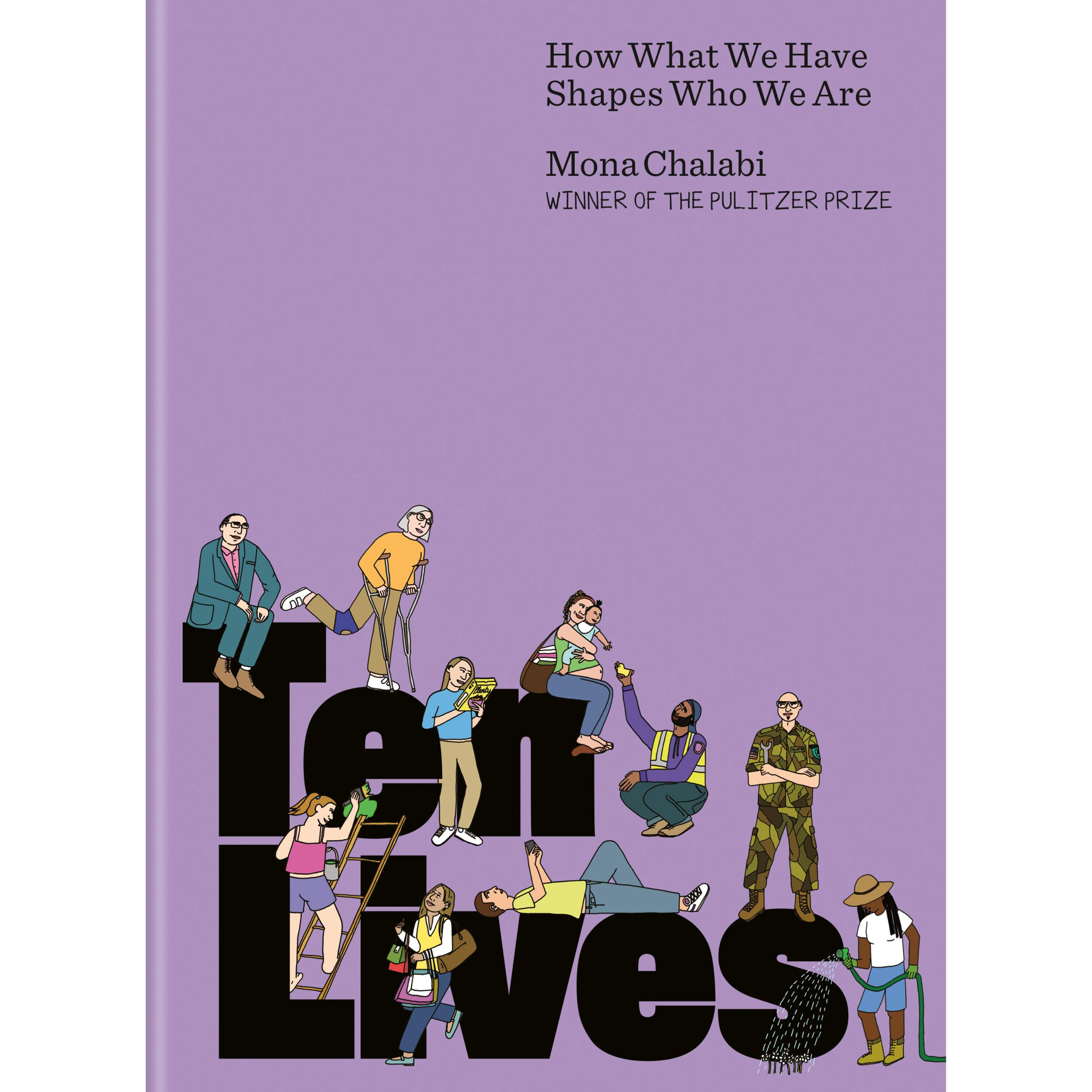
Drawing on 10 Lives, Chalabi challenges America’s vague “middle class” label and contrasts it with a more precise conversation about relative economic power.
The episode separates insecurity created by consumer capitalism from real risks such as illness, divorce, job loss, and expensive essentials—pressures that cross income levels.
Chalabi says shared insecurity could support a more constructive view of taxes and public programs, even though people’s experiences lead them to prioritize different government services.
Her standout choice is to publish her own income, bank balance, and financial history, rejecting the false objectivity of observing class from outside it.
The larger case is for discussing salaries, class, and government support with greater precision instead of hiding behind “middle class” or a 99%-versus-1% frame.
Books & mentions
Some links are affiliate links — PodLume may earn a commission if you buy.
Weekly email
State of the Pod, every Monday
The week's most-discussed names and stories from podcasts, with the moments behind them. Free, five minutes, unsubscribe in one click.