Nov 12, 2026 · 25 min
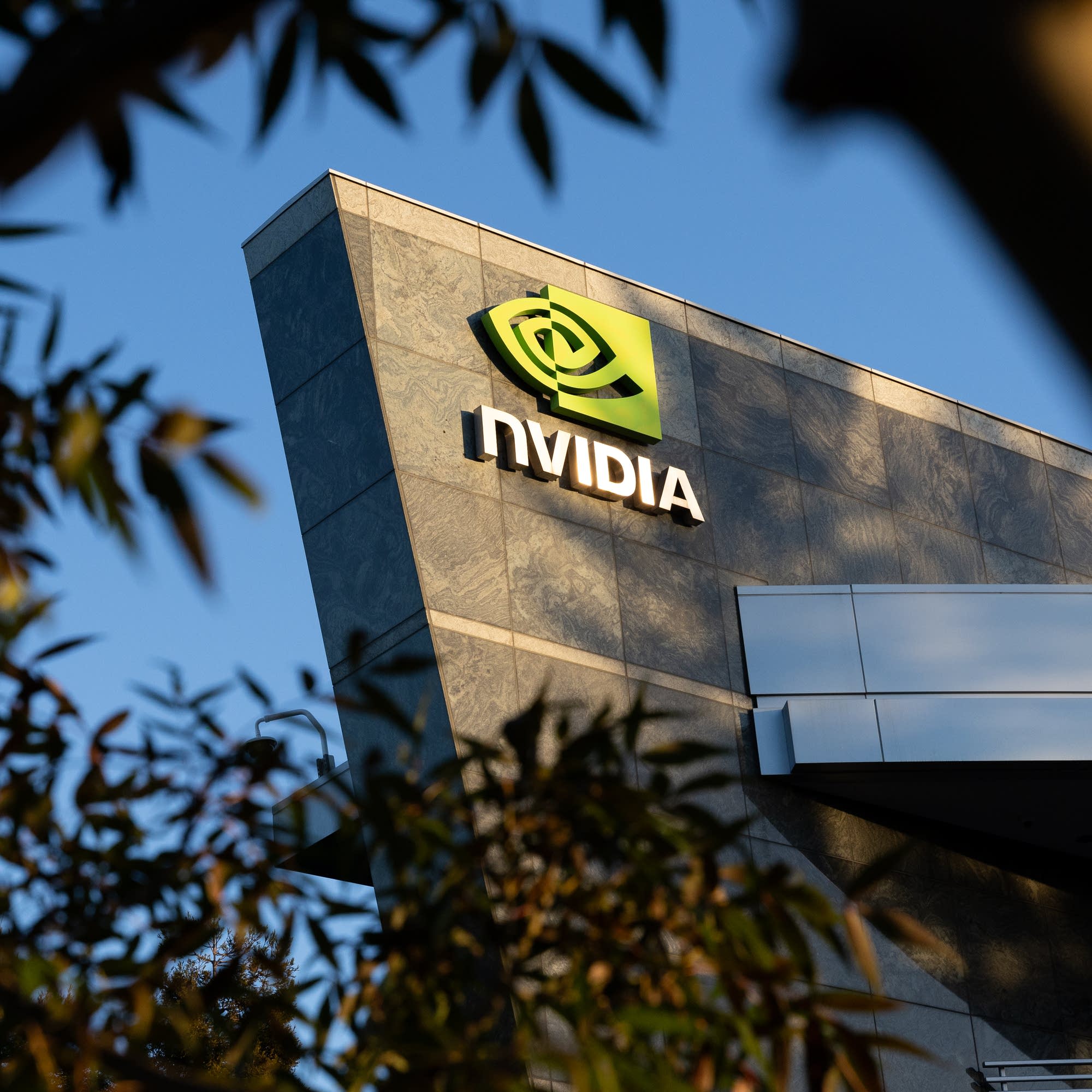
Nvidia’s AI dominance faces a leadership test
Nvidia was AI's linchpin. Now what?
The episode connects Nvidia’s uncertain future leadership to broader questions about pricing power, inflation, affordability and business adaptation.
- 1Nvidia’s central role in AI gives its leadership transition consequences far beyond one technology company.
- 2Steel and aluminum tariffs can keep prices elevated by raising costs and strengthening domestic producers’ pricing power.
- 3Housing shortages, entrepreneurship and premium air travel show how businesses and communities are adapting to economic pressure.
Don't miss
Anna Wong explains why Bloomberg built a private inflation tracker, how its reading differs from CPI, and why it is meant to supplement official data.
The brief
Nvidia’s dominance in computing power has made it a linchpin of the AI economy, while Jensen Huang’s departure raises questions about leadership, financing relationships and Silicon Valley’s response.
The tariff report argues that steel and aluminum duties can keep inflation elevated by raising manufacturers’ costs, limiting competition and giving domestic producers more pricing power.
In Pinedale, Wyoming, residents, officials and developers confront a basic economic tension: the town needs more housing, but workers struggle to afford what gets built.
A former kindergarten teacher describes leaving education during the pandemic to build a Minneapolis fabric store and community sewing space, trading a paycheck for entrepreneurial uncertainty.
JetBlue is pursuing premium service as airlines chase higher-margin travelers, while Bloomberg’s Anna Wong explains why its private inflation tracker supplements rather than replaces the BLS measure.
Weekly email
State of the Pod, every Monday
The week's most-discussed names and stories from podcasts, with the moments behind them. Free, five minutes, unsubscribe in one click.