Oct 20, 2026 · 16 min
PRIMA clears a key hurdle on its road to space
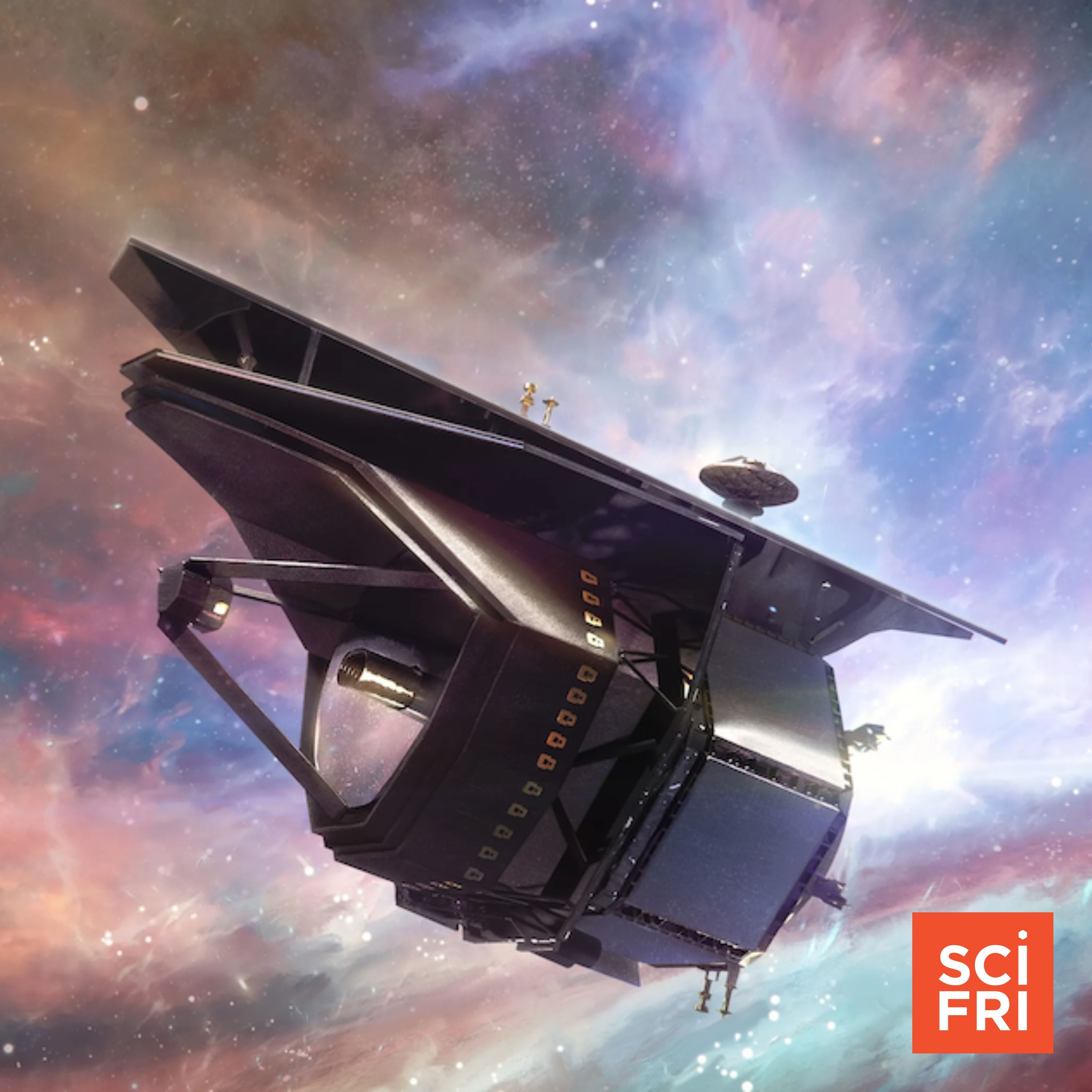
Getting the billion-dollar PRIMA space telescope off the ground
PRIMA’s progress shows how ambitious astronomy missions must align scientific discovery with mature technology, sustained funding, and resilient leadership.
- 1PRIMA aims to use far-infrared observations to investigate how planets around other stars formed.
- 2NASA’s Phase B will turn PRIMA’s scientific concept into detailed designs while testing whether its technologies can support implementation.
- 3The mission’s path toward an anticipated 2033 launch depends on persistence through technical, organizational, and institutional turbulence.
Don't miss
Jason Glenn explains that he will not fully relax until PRIMA launches, reaches operating temperature, and activates its sensitive detectors months later.
The brief
NASA’s PRIMA space telescope has advanced into Phase B, moving from an ambitious concept toward the detailed design work required for a billion-dollar observatory.
Astronomer Jason Glenn explains how PRIMA’s far-infrared capabilities could illuminate how planets form, while decades of technology development make those observations possible.
NASA’s selection process forced the team to balance bold science against technology mature enough to offer taxpayers a credible path to completion.
Glenn recounts the suspense of competing for NASA support and the leadership challenge of sustaining an international team through furloughs, fires, and shutdowns at JPL.
The anticipated launch is around 2033, but Glenn says the real finish line comes months later, when PRIMA cools and its detectors activate during checkout.
Weekly email
State of the Pod, every Monday
The week's most-discussed names and stories from podcasts, with the moments behind them. Free, five minutes, unsubscribe in one click.