Nov 16, 2026 · 1h 29m
Listen from 1:06
Listen at 1:06
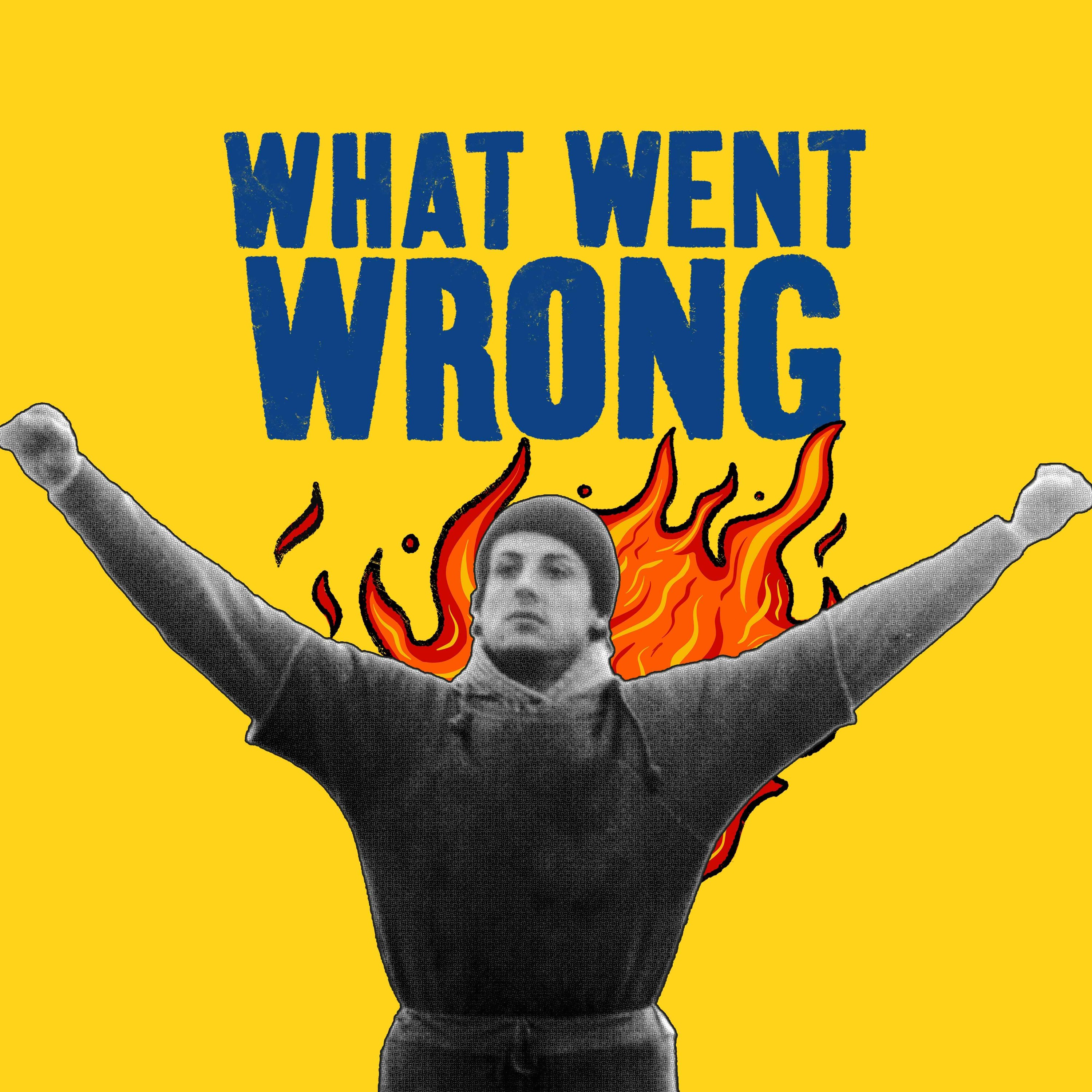
Stallone bets everything on Rocky
Rocky
Rocky’s unlikely rise reveals how creative control, resourcefulness, and emotional storytelling turned a risky film into a cultural landmark.
- 1Stallone rejected lucrative screenplay offers because he insisted on playing Rocky himself.
- 2The film’s power comes as much from Rocky and Adrian’s awkward tenderness as from its boxing spectacle.
- 3John Avildsen’s direction, improvised production choices, and Bill Conti’s score helped a low-budget gamble reach Oscar-winning heights.
Don't miss
Stallone repeatedly turns down increasingly large offers for the screenplay because he insists on playing Rocky.
The brief
Chris and Lizzie revisit Rocky as more than a boxing film, emphasizing its sweetness, unusual details, and the uncomfortable first date that makes Rocky and Adrian’s romance feel lived-in.
Stallone’s path ran through odd jobs, failed auditions, early scripts, and repeated rejection. When producers offered more money for the screenplay, he still refused to surrender the role of Rocky.
The production balanced severe constraints with bold solutions: Philadelphia locations, a Steadicam, improvised changes, punishing boxing preparation, and Carl Weathers’ instantly memorable Apollo Creed audition.
The finished film’s emotional force depended on choices beyond the ring, including Adrian’s final reunion with Rocky and Bill Conti’s inexpensive score, which became central to its identity.
Rocky’s ten Oscar nominations and three wins completed its transformation from risky low-budget project to cultural landmark, while Stallone’s ownership dispute complicated the victory.
Books & mentions
Some links are affiliate links — PodLume may earn a commission if you buy.

Weekly email
State of the Pod, every Monday
The week's most-discussed names and stories from podcasts, with the moments behind them. Free, five minutes, unsubscribe in one click.