Oct 26, 2026 · 1h 18m
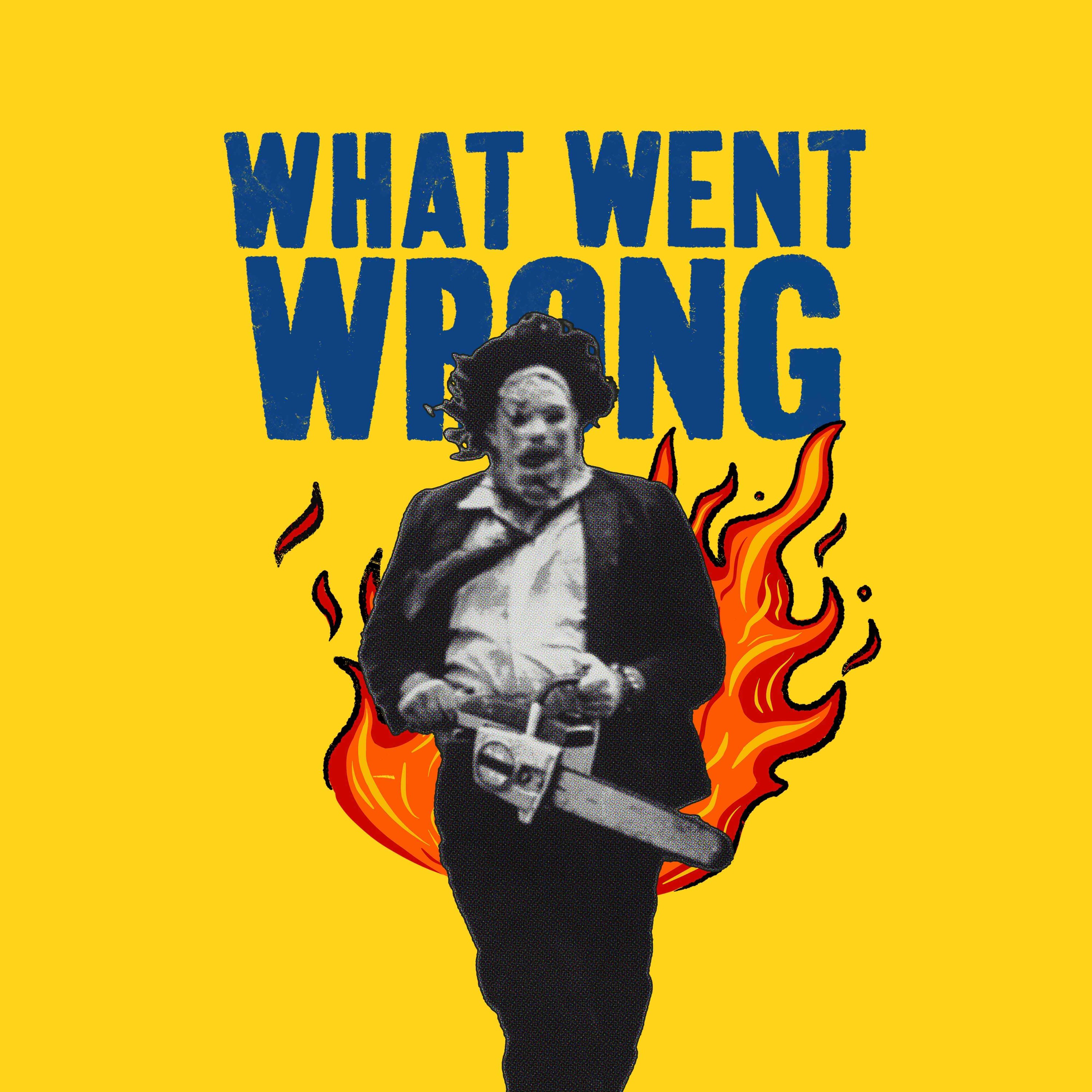
The Texas Chainsaw Massacre turned misery into a landmark
The Texas Chainsaw Massacre (1974)
The episode shows how a cheaply made horror film became a cultural landmark while its creators and performers fought over missing profits.
- 1Tobe Hooper and Kim Henkel built the film from limited resources, disturbing influences, and an improvised financing network.
- 2Extreme heat, dangerous stunts, rotting meat, and punishing schedules pushed the cast and crew through an abusive production.
- 3Bryanston’s sensational marketing made the film a hit, but legal disputes left its makers with little of the resulting wealth.
Don't miss
Marilyn Burns’s fear that the dangerous, exhausting production might actually be a snuff film crystallizes the set’s terrifying conditions.
The brief
Chris and Lizzie trace how Tobe Hooper and Kim Henkel turned a nearly cashless Texas production into a film whose realism reshaped horror.
The production’s mythology came at a cost: extreme heat, rotting meat, improvised effects, dangerous stunts, and shooting days that stretched into exhaustion.
Gunnar Hansen’s last-minute transformation into Leatherface captures the film’s resourcefulness, while Marilyn Burns’s fear that the set might be a snuff film exposes its darker reality.
Bryanston’s “true story” campaign and exploitation connections helped make the film a sensation, even as the promised profits became entangled in legal disputes.
The episode argues that the film’s lasting power belongs to Daniel Pearl’s images and the cast’s performances, not to the industry machinery that profited from them.
Weekly email
State of the Pod, every Monday
The week's most-discussed names and stories from podcasts, with the moments behind them. Free, five minutes, unsubscribe in one click.