Nov 9, 2026 · 1h 22m
Listen from 9:04
Listen at 9:04
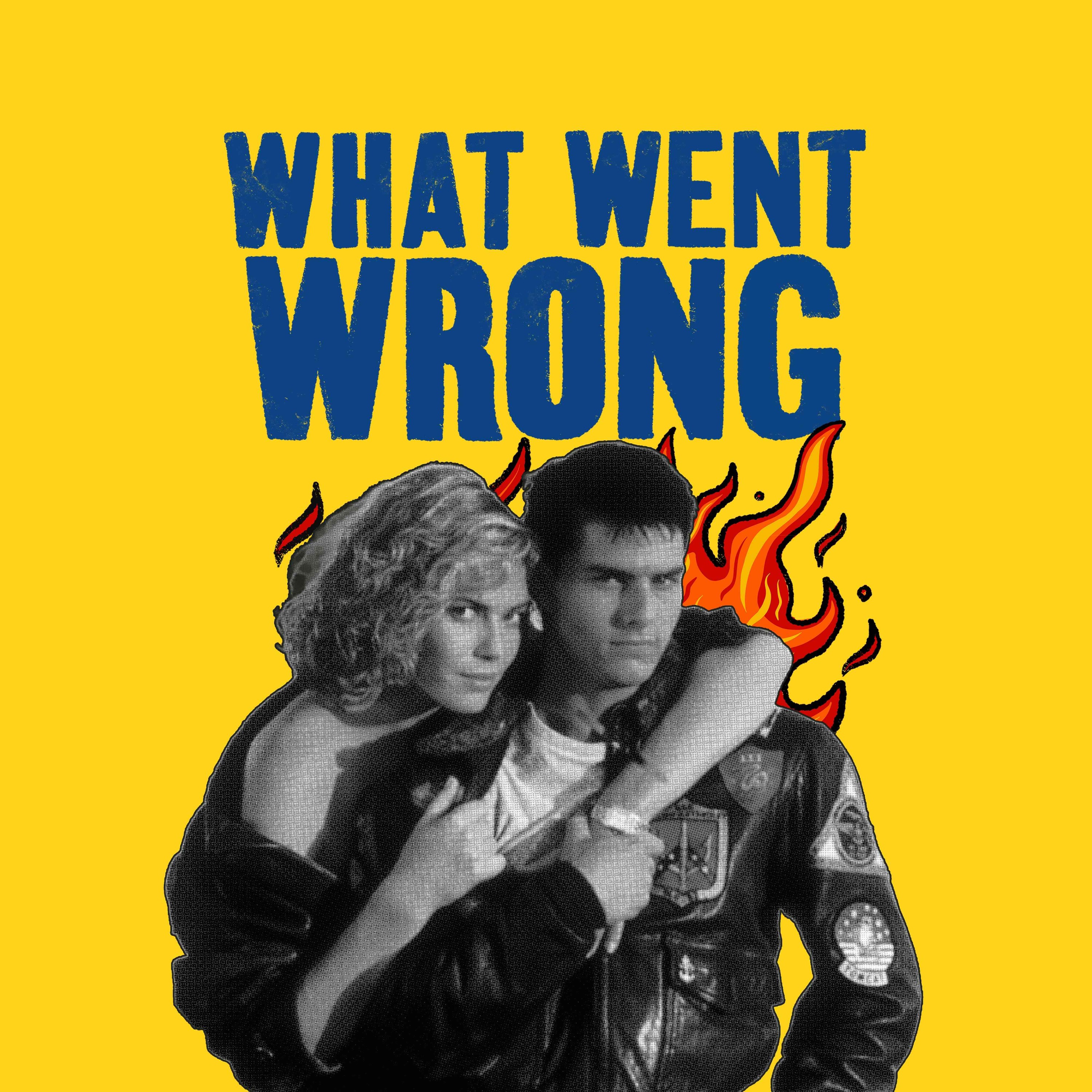
Top Gun turns production chaos into pop spectacle
Top Gun (1986)
The episode shows how a thin story, dangerous filmmaking and military collaboration combined to create a durable cultural phenomenon.
- 1Don Simpson and Jerry Bruckheimer transformed a magazine article about naval training into a rivalry-driven blockbuster.
- 2Tony Scott’s visual instincts survived studio pressure, production turmoil and dangerous aerial photography to define the film’s identity.
- 3Top Gun’s weak romance was offset by its supporting cast, music, aerial craft and lasting influence on Navy recruitment.
Don't miss
The account of Art Scholl’s fatal crash during second-unit aerial photography exposes the real danger behind Top Gun’s most thrilling images.
The brief
Chris and Lizzie revisit Top Gun as both a glossy 1980s artifact and an oddly fragile movie: its music and imagery endure, while its story and romance remain thin.
The film began with a magazine article about the Navy Fighter Weapons School, then became a sports-movie structure built around Maverick, rivalry, teamwork and a fictional trophy.
Production repeatedly veered toward disaster as Tony Scott fought for his visual style, the Navy demanded script changes, and actors resisted or complicated the casting.
The aerial sequences required real Navy exercises, cockpit cameras, miniatures and vast quantities of footage; veteran stunt pilot Art Scholl died during the photography.
Top Gun ultimately works through its supporting cast, music, aerial craft and campy pop sensibility, even as its central romance and thin script struggle to keep up.
Books & mentions
Some links are affiliate links — PodLume may earn a commission if you buy.


Weekly email
State of the Pod, every Monday
The week's most-discussed names and stories from podcasts, with the moments behind them. Free, five minutes, unsubscribe in one click.