Oct 27, 2026 · 14 min
Why lie detection fails when certainty matters most
You Can See Everything and the science of spotting liars
Misreading sincerity can harm innocent people, making evidence-based investigation more important than intuitive judgments about behavior.
- 1People generally trust others by default, so being deceived does not make someone foolish.
- 2Context shapes openness, while everyday lies often preserve relationships or avoid embarrassment and consequences.
- 3Body language and microexpressions cannot reliably expose deception; systematic questions and checkable facts offer stronger evidence.
Don't miss
Maria Hartwig dismantles the popular belief that eye contact, facial expressions, and microexpressions reliably reveal lies.
The brief
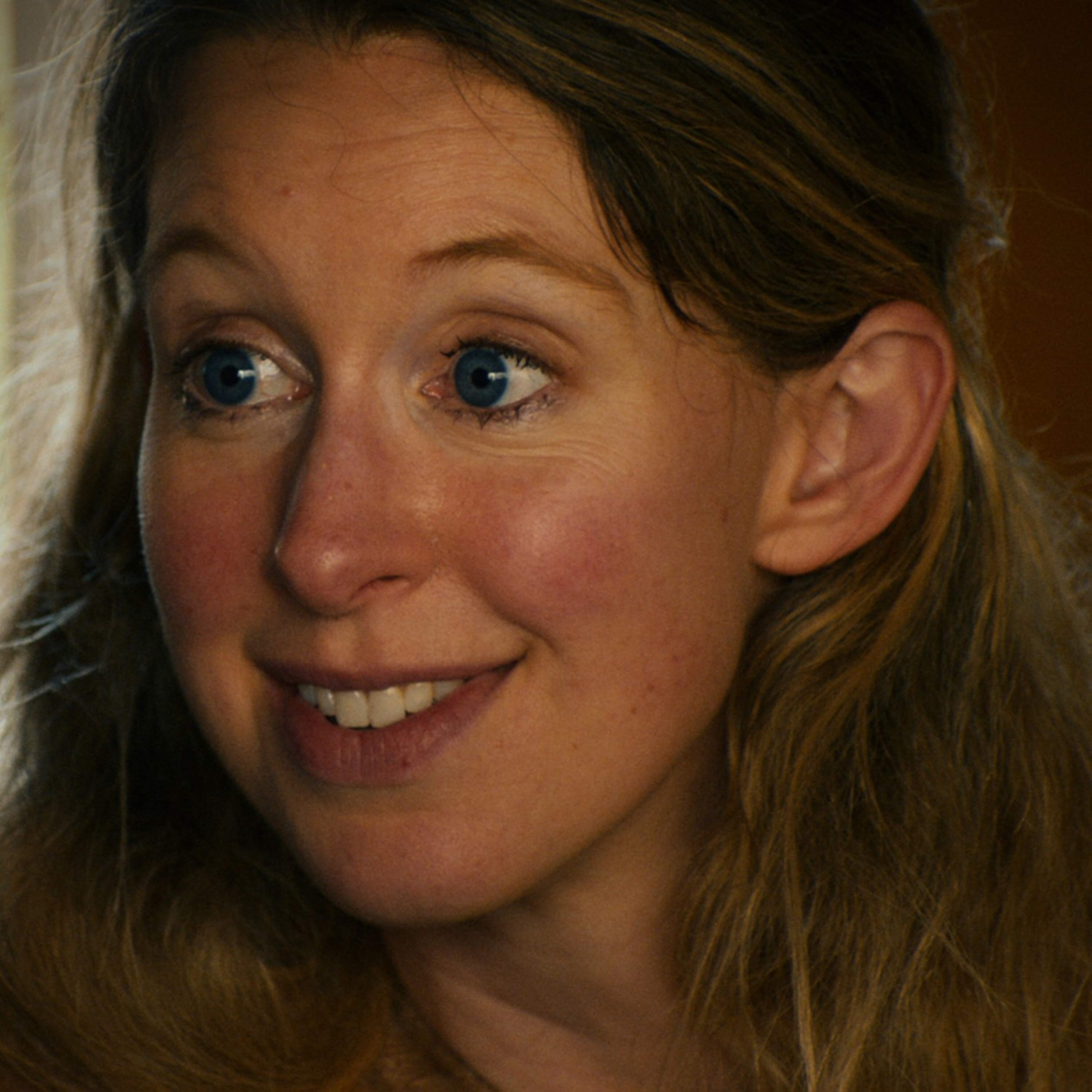
Inspired by the documentary You Can See Everything, the episode uses Elizabeth Holmes and the human urge to judge sincerity to ask whether lies can really be seen.
Psychologist Maria Hartwig explains that people are generally truth-biased, and that feeling fooled reflects ordinary social trust rather than personal stupidity.
The setting can shape disclosure: spacious, open rooms may encourage candor, while restrictive interrogation rooms can influence how people behave and respond.
Everyday deception is routine, often used to avoid embarrassment, consequences, or social friction; consequential lies demand a different standard of scrutiny.
Hartwig rejects eye contact, facial expressions, and microexpressions as reliable tells, favoring systematic questions about facts investigators can check.
The episode’s central warning is that deception often has no visible signal, so patient evidence gathering must protect the innocent as well as identify the guilty.
Weekly email
State of the Pod, every Monday
The week's most-discussed names and stories from podcasts, with the moments behind them. Free, five minutes, unsubscribe in one click.