Nov 21, 2026 · 13 min
Dengue’s Florida surge signals a wider transmission shift
Florida's dengue outbreak mirrors a global trend
Dengue is appearing in places where it was once uncommon, making mosquito control, clinical awareness, and coordinated prevention increasingly urgent.
- 1Travel, weather, rainfall, drought, mosquito ecology, and viral lineages can combine to drive local dengue transmission.
- 2A first infection may be mild or unnoticed, while infection with another serotype can sometimes raise the risk of severe disease.
- 3Preventing outbreaks requires personal protection alongside mosquito management, prepared healthcare systems, and coordinated community action.
Don't miss
Gabriela Paz-Bailey explains why a later dengue infection with a different serotype can sometimes increase the risk of severe disease.
The brief
Florida’s unusually large number of locally acquired dengue cases reflects a broader global surge, with transmission expanding into regions where it was previously uncommon.
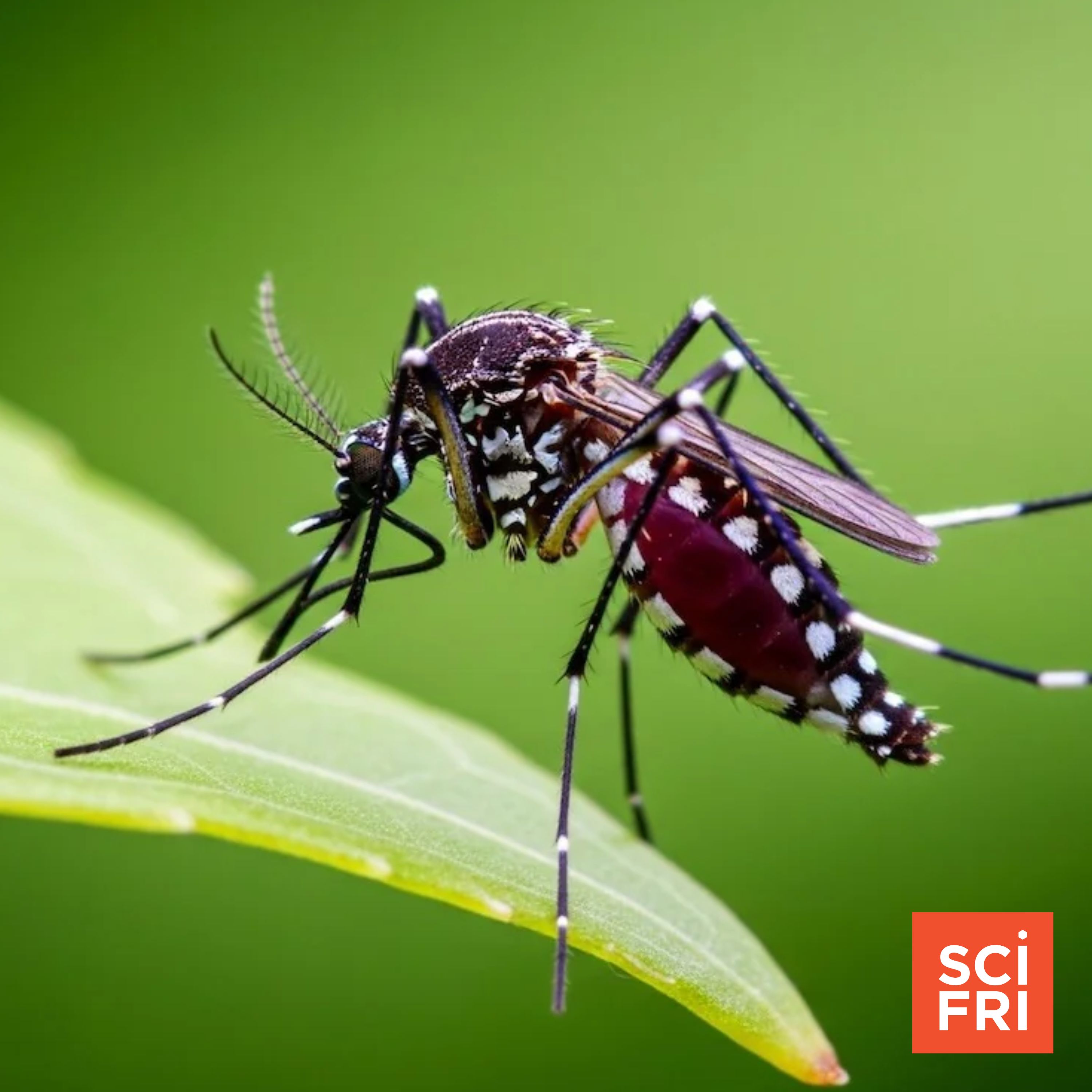
CDC epidemiologist Gabriela Paz-Bailey connects the outbreak to Aedes mosquitoes, travel, rainfall, drought, breeding conditions, viral lineages, and changing weather patterns.
Dengue has four serotypes: immunity to one is lifelong, but a later infection with another can sometimes increase the risk of severe disease.
Many infections cause no symptoms, while illness can bring fever, headache, pain, nausea, vomiting, and rash; severe dengue requires prompt medical attention.
The episode’s central argument is that repellents and standing-water removal matter, but durable prevention also depends on agencies, clinicians, healthcare systems, and communities working together.
Weekly email
State of the Pod, every Monday
The week's most-discussed names and stories from podcasts, with the moments behind them. Free, five minutes, unsubscribe in one click.