Nov 19, 2026 · 20 min
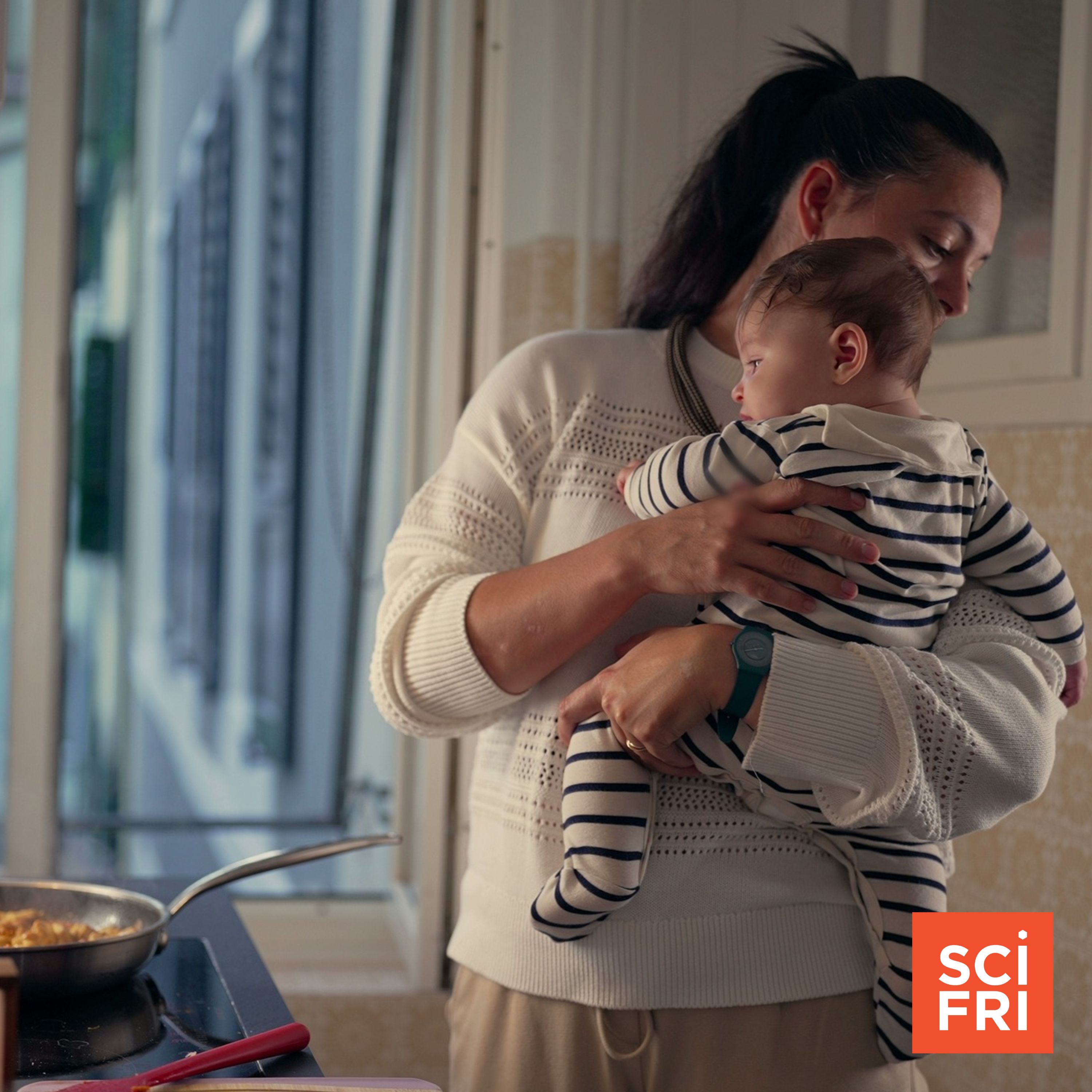
Pregnancy reshapes the brain beyond ‘mommy brain’
The neuroscience behind ‘mommy brain’
Understanding parenthood as a period of brain plasticity reframes forgetfulness, vigilance, and identity change without reducing them to cognitive decline.
- 1Pregnancy changes brain structure without necessarily impairing cognition, and may support bonding and maternal well-being.
- 2Sleep loss, metabolic demands, and mental load help explain brain fog more than a simple decline in ability.
- 3Caregiving can reshape the brains of non-birthing parents too, showing that attachment does not require pregnancy.
Don't miss
Susana Carmona explains that brain scans can reveal whether a woman has experienced pregnancy by comparing images taken before and after it.
The brief
Susana Carmona challenges “mommy brain” as a label that turns complex changes in pregnancy and parenthood into a story of diminished ability.
Pregnancy reduces cortical gray matter by about five percent, with partial postpartum recovery; the change is not linked to poorer cognitive performance.
Sleep deprivation, metabolic demands, and attention tuned to baby cues can produce brain fog, while parenthood may strengthen flexibility and frustration tolerance.
Carmona describes pregnancy as a highly plastic period that can heighten vigilance and adaptation, but also vulnerability to environmental stressors.
The episode widens the frame beyond birthing parents: caregiving and bonding can reshape the brains of fathers and non-gestational mothers.
Weekly email
State of the Pod, every Monday
The week's most-discussed names and stories from podcasts, with the moments behind them. Free, five minutes, unsubscribe in one click.