Nov 20, 2026 · 13 min
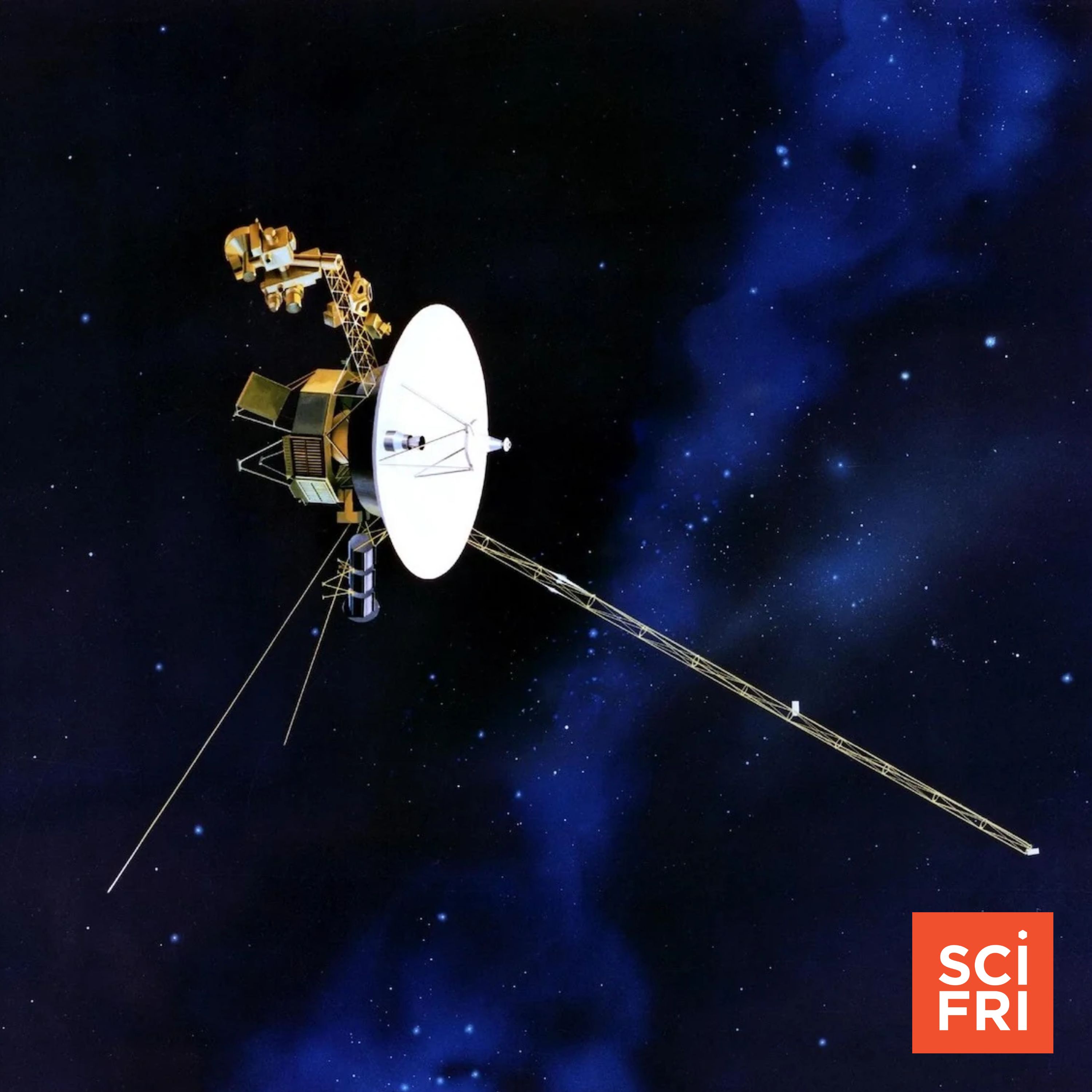
Voyager 1 keeps working a light-day from Earth
Voyager 1 is a full light-day away, and still going
Voyager’s survival shows how a 1970s spacecraft can still produce science while distance turns every command into a daylong exchange.
- 1Voyager 1 now sits one light-day away, forcing engineers to operate the spacecraft around a 24-hour communication delay.
- 2Its aging systems still support instrument operations and data returns, extending a mission designed originally to last only four years.
- 3Voyager’s encounters with Jupiter, Titan, Io, and Triton transformed scientists’ understanding of planetary diversity and interstellar space.
Don't miss
Ed Stone recounts how Voyager’s discoveries of Io’s volcanoes, Titan’s methane cycle, and Triton’s icy geysers revealed extraordinary planetary diversity.
The brief
Voyager 1 has reached one light-day from Earth, so NASA engineers now operate a spacecraft whose signals take 24 hours to travel one way.
Jennifer Rocca describes the careful routines behind instrument commands, data downlinks, and maintenance on technology built in the 1970s.
The spacecraft’s continuing value is scientific and symbolic: its legacy stretches from landmark planetary images to later missions such as Juno.
In an archival conversation, Ed Stone recalls how a four-year mission became a journey beyond the outer planets through extended operations and gravitational slingshots.
Stone also revisits Voyager’s discoveries, including Io’s volcanoes, Titan’s atmosphere and methane cycle, and Triton’s icy geysers.
Weekly email
State of the Pod, every Monday
The week's most-discussed names and stories from podcasts, with the moments behind them. Free, five minutes, unsubscribe in one click.