Nov 4, 2026 · 21 min
How cheap light powered modern economic growth
The history of light (classic)
The history of illumination shows how innovation, finance, and institutions can turn scarce necessities into abundance while intensifying environmental costs.
- 1Artificial light became dramatically cheaper as technology reduced the labor required to produce it.
- 2Electricity depended on finance, corporations, patents, and infrastructure—not Edison’s invention alone.
- 3Growth expanded consumption and productivity while raising questions about pollution and the physical limits of efficiency.
Don't miss
William Nordhaus builds an ancient lamp to measure how much light a Babylonian worker could obtain for a day’s labor.
The brief
The episode uses artificial light to explain a larger economic idea: growth can expand the pie, making goods once reserved for survival increasingly abundant and affordable.
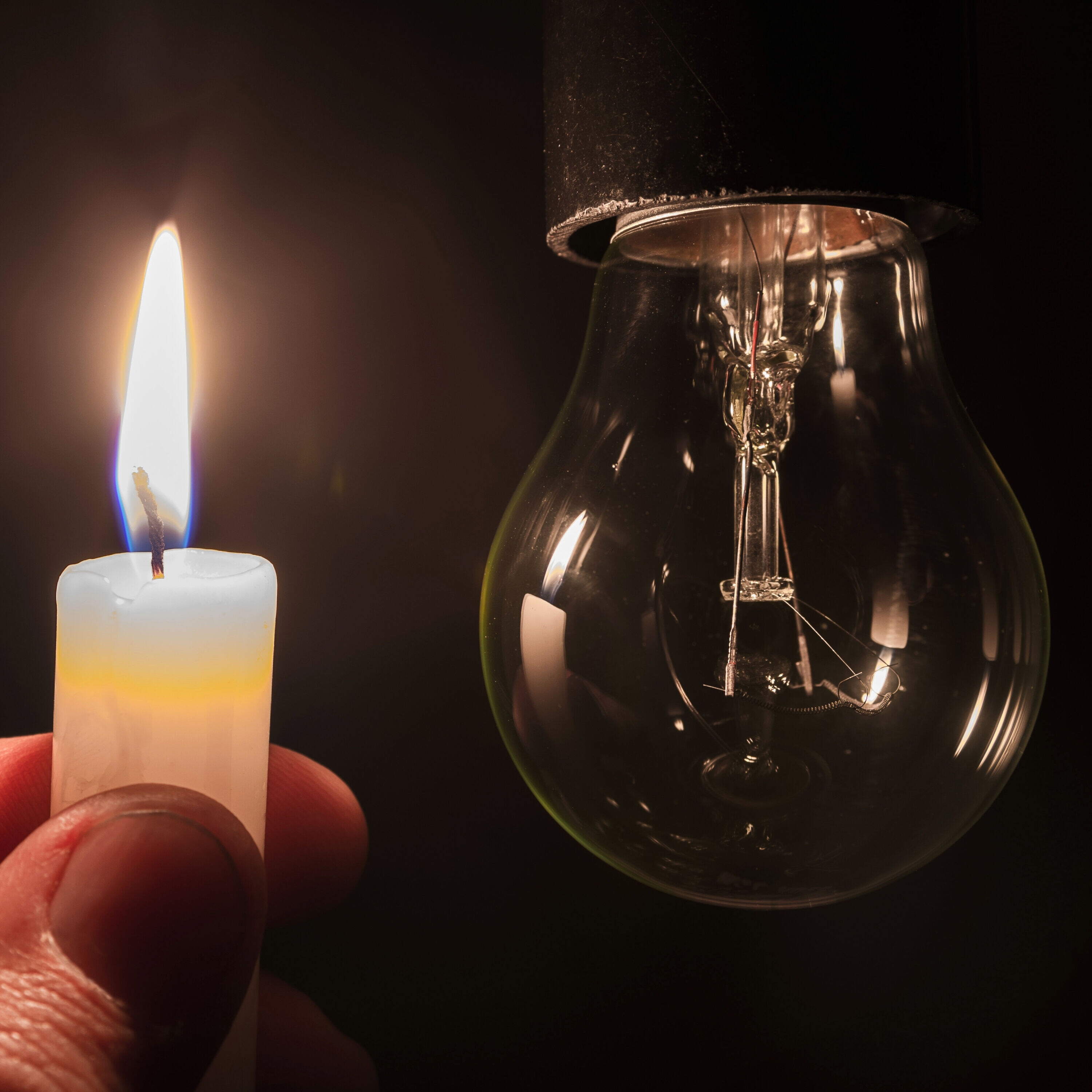
Crude candles made from beef fat—and older lights fueled by salmon or oily seabirds—show how much labor ancient societies spent producing a basic necessity.
William Nordhaus’s ancient-lamp experiment turns that history into a measure of scarcity: limited light reflected economies in which most people worked simply to survive.
Kerosene and scientific research accelerated the gains, while electric lighting required investors, corporations, patents, banks, and infrastructure alongside Edison’s work.
The payoff was extraordinary productivity: roughly ten minutes of affordable light for an ancient worker versus about 20,000 hours for a modern one.
LEDs continue the pattern through countless small improvements, but the episode leaves growth’s central question unresolved: how far can efficiency advance within physical limits?
Books & mentions
Business History
The promoted series extends the episode’s interest in how institutions, technology, and commerce shape everyday life.
Weekly email
State of the Pod, every Monday
The week's most-discussed names and stories from podcasts, with the moments behind them. Free, five minutes, unsubscribe in one click.