Nov 11, 2026 · 24 min
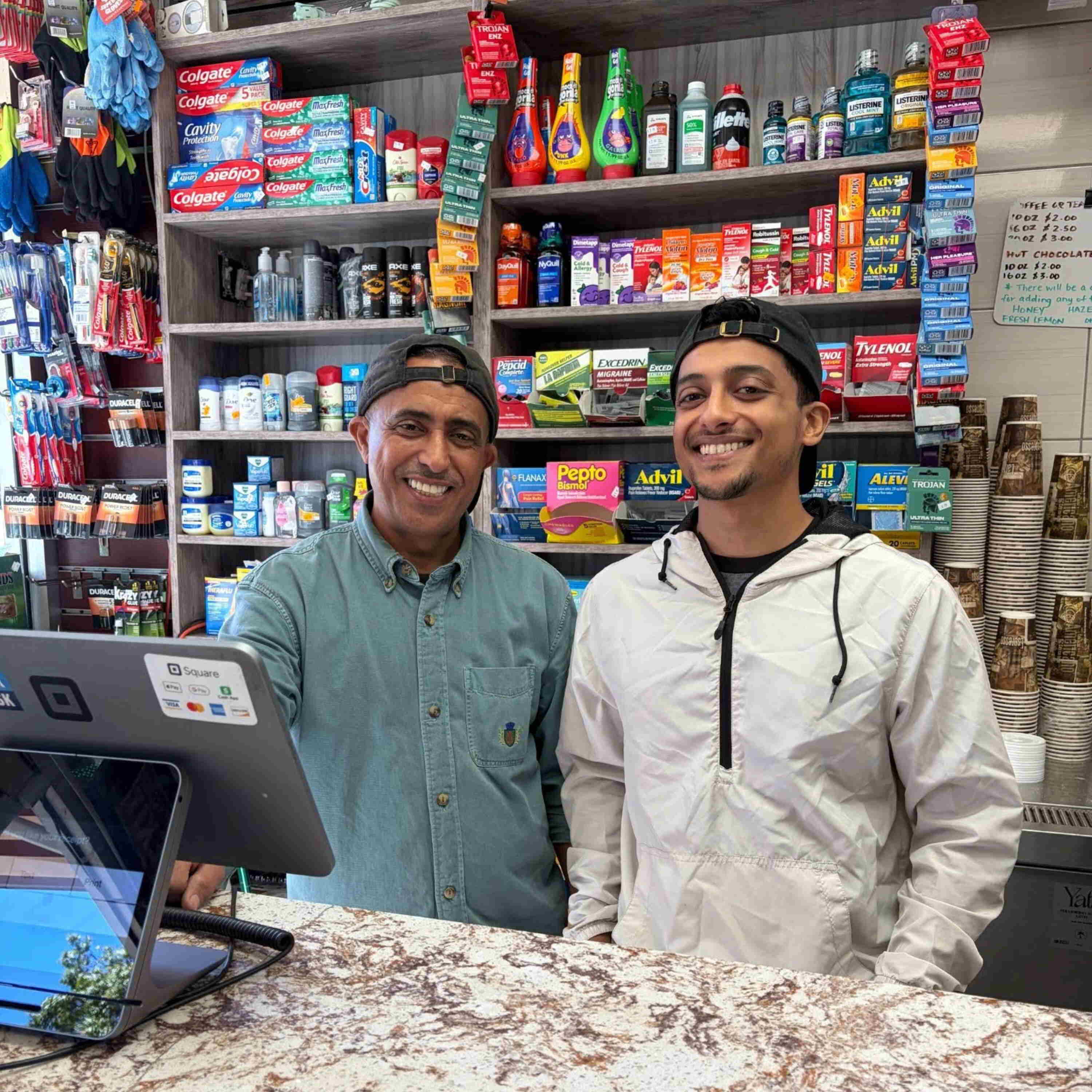
Yemeni bodegas fuel a new coffeehouse economy
How bodegas led to the Yemeni coffeehouse explosion
The episode shows how family networks, community financing, and industry knowledge can turn immigrant entrepreneurship into a platform for new businesses.
- 1Yemeni immigrants built a nationwide bodega network by passing business knowledge and interest-free financing through families and social ties.
- 2Economist Bill Kerr argues that smaller, connected immigrant communities can gain advantages by clustering in particular industries.
- 3Yaffa Cafe shows how specialty coffee ambitions collide with the logistical and financial realities of importing beans from war-torn Yemen.
Don't miss
Hakeem Soleimani describes importing Yemeni coffee during war through suitcase shipments, smugglers, closed ports, sanctions, and broken payment systems.
The brief
Yemeni coffeehouses are spreading across the United States as late-night, family-friendly spaces for Muslim and Arab American communities, drawing on Yemen’s historic connection to coffee.
The episode traces that growth to a bodega network built through family experience, social connections, and interest-free community loans, giving later entrepreneurs a base of knowledge and trust.
Economist Bill Kerr explains why immigrant groups often cluster in industries: information travels faster through close networks, creating advantages that can compound across generations.
Hakeem Soleimani used his family’s deli experience, a nearby location, and connections in Yemen to build Yaffa Cafe rather than simply continue the family business.
The standout tension is practical: sourcing Yemeni beans during war meant navigating smugglers, closed ports, sanctions, failed payment systems, and suitcase shipments while building a profitable company.
Weekly email
State of the Pod, every Monday
The week's most-discussed names and stories from podcasts, with the moments behind them. Free, five minutes, unsubscribe in one click.