Nov 6, 2026 · 32 min
Insurance labs test whether homes can withstand climate disasters
Inside the insurance industry’s destruction lab
The episode shows how insurers use science to reduce physical damage while confronting a market crisis that safer individual homes cannot solve alone.
- 1Insurance-funded experiments have shaped safety standards for products, vehicles, and increasingly disaster-resistant homes.
- 2Roof sealing, fortified construction, and wildfire-conscious landscaping can reduce damage before hurricanes, hail, or embers arrive.
- 3Home hardening cannot fully address collective wildfire exposure, rising premiums, or insurers retreating from vulnerable regions.
Don't miss
An unfortified house is exposed to hurricane-force conditions and blows apart, turning the case for stronger construction into a physical demonstration.
The brief
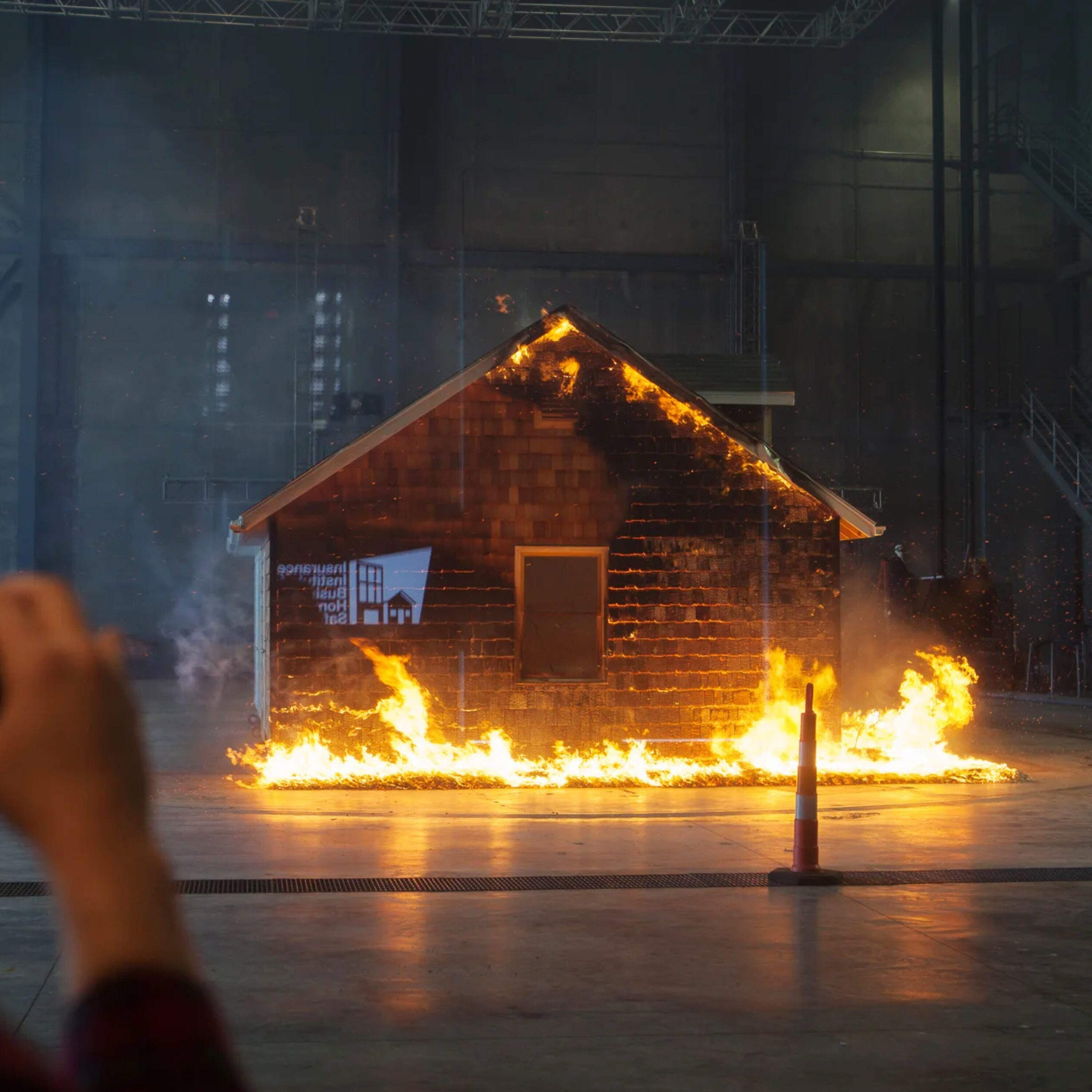
At a South Carolina destruction lab, researchers burn homes, age roofs, fire hail at shingles, and blast structures with hurricane-force winds to learn how buildings fail.
Julie Rochman explains how insurers moved from studying fire and shipping risks to funding laboratories that shaped electrical, automobile, and building safety standards.
IBHS brought competing insurers together to share research, testing roofs, wildfire landscaping, vents, fencing, and low-cost construction changes that can reduce disaster losses.
The standout test is brutally simple: an unfortified house meets hurricane-force conditions and blows apart, making the case for standards visible in seconds.
But safer homes still face cancellation and enormous premium increases when wildfire risk is widespread, exposing the gap between hardening one property and stabilizing insurance markets.
Weekly email
State of the Pod, every Monday
The week's most-discussed names and stories from podcasts, with the moments behind them. Free, five minutes, unsubscribe in one click.