Nov 16, 2026 · 18 min
A threatened beetle turns carrion into conservation
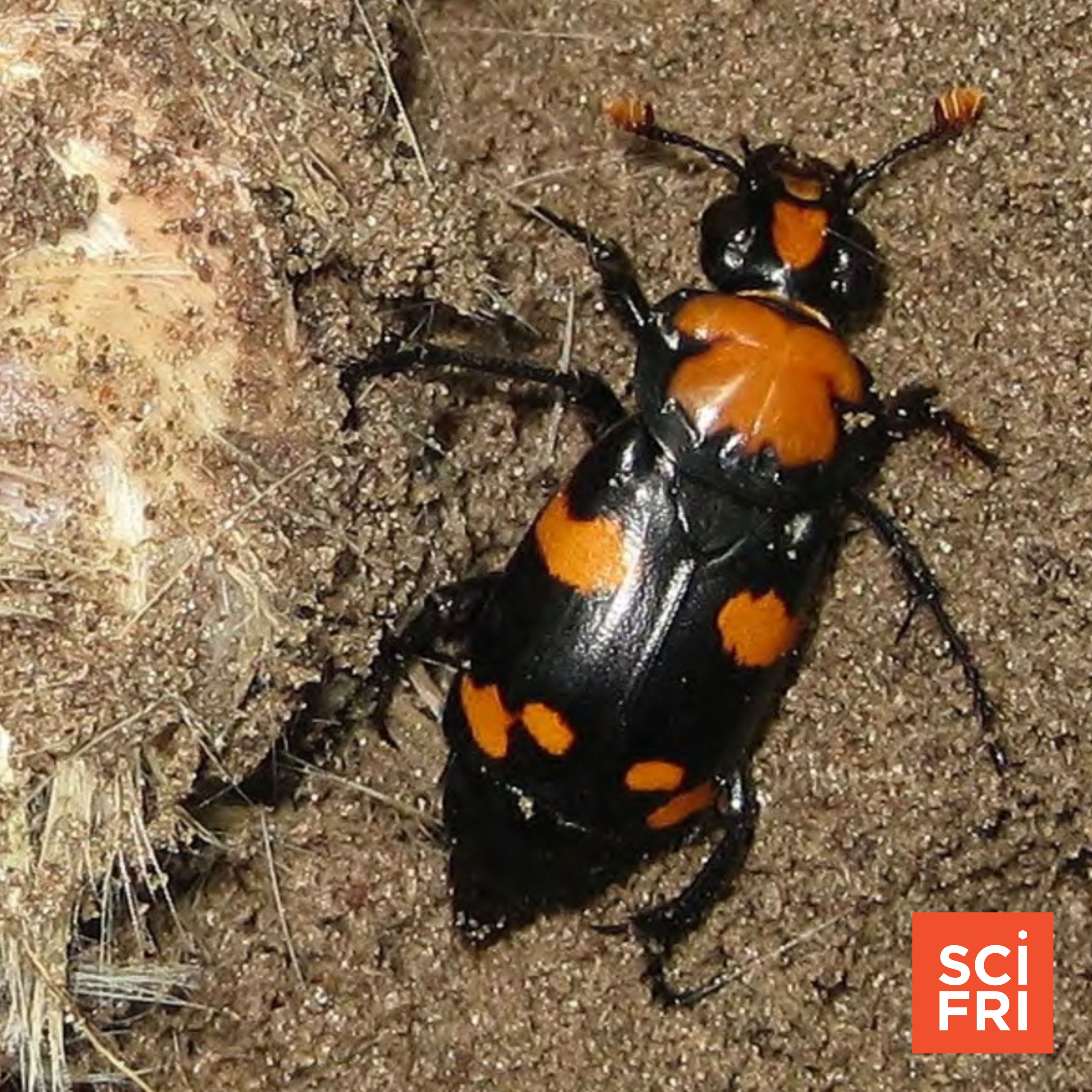
This big, bright, corpse-loving beetle is in trouble
The American burying beetle’s recovery depends on restoring habitat, food sources, and a self-sustaining population before human support becomes permanent.
- 1American burying beetles bury and embalm small carcasses, then feed their larvae through an unusual form of parental care.
- 2Habitat fragmentation, artificial light, pesticides, lost carrion sources, and competition from vultures have helped drive the beetle’s decline.
- 3Researchers will judge Nantucket’s reintroduction by whether beetles form stable populations that need progressively less human support.
Don't miss
Hannah Petrarca defines conservation success as a stable Nantucket beetle population that progressively needs less human support.
The brief
The American burying beetle is a threatened carrion recycler: within about 24 hours, it strips and embalms a small carcass, buries it, and feeds its larvae.
Hannah Petrarca explains how symbiotic mites, parental care, and seasonal behavior make the beetle unusual—and why losing carrion, habitat, and darkness threatens it.
Nantucket had no recorded beetle since 1926, so researchers are breeding beetles with frozen quail and reintroducing them while tracking climate, food, and competition.
The project’s real test is independence: success means a stable Nantucket population that needs progressively less human support and strengthens the East Coast species.
The episode closes with Zim’s working Polaroid camera costume, built with an ESP32 camera, Bluetooth printer, and custom design.
Weekly email
State of the Pod, every Monday
The week's most-discussed names and stories from podcasts, with the moments behind them. Free, five minutes, unsubscribe in one click.