Nov 5, 2026 · 18 min
A transparent fish offers a new window on brain regeneration
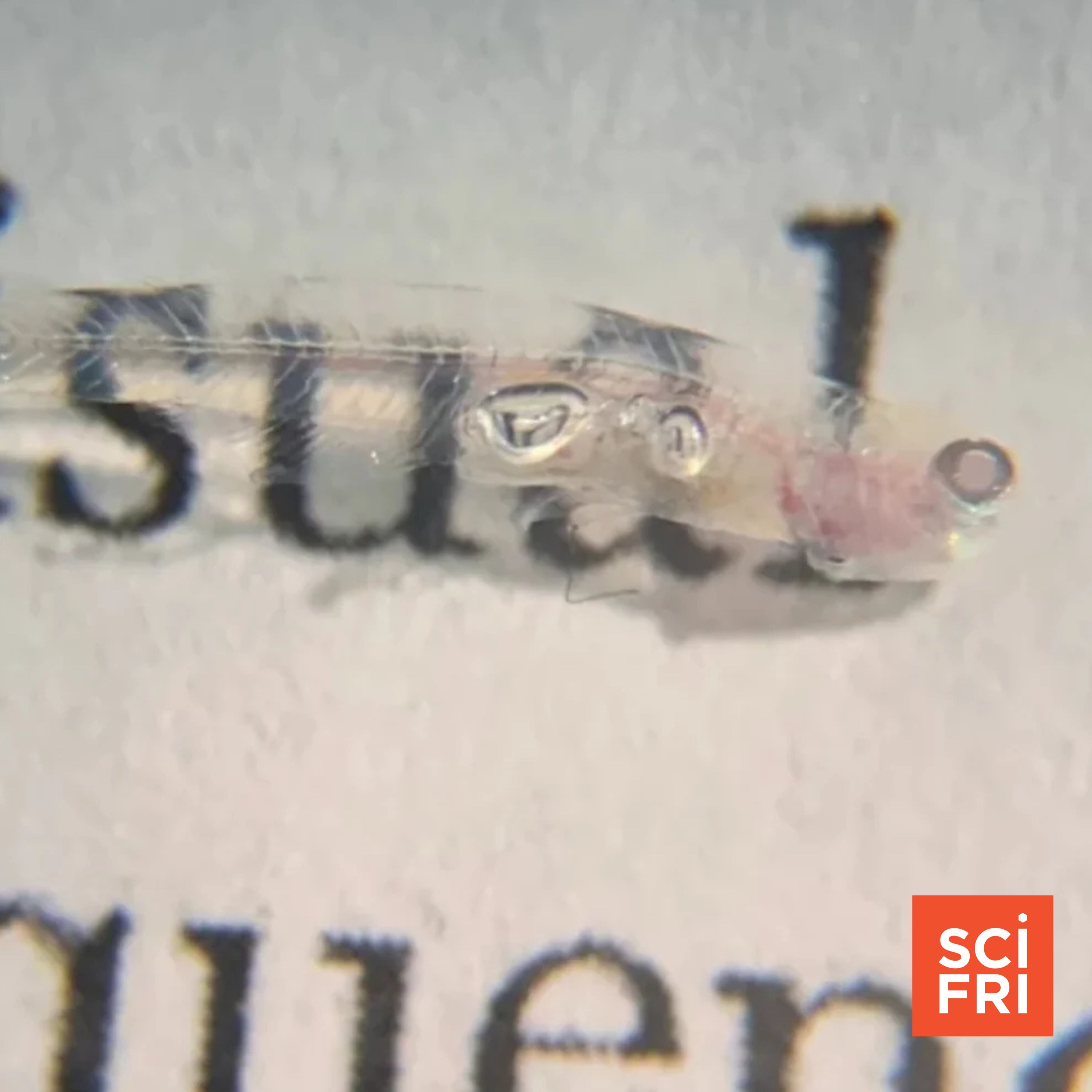
Meet the tiny, see-through fish that can regenerate its brain
Danionella could reveal how adult vertebrate brains repair themselves, while its unusual biology shows why promising models do not translate directly to humans.
- 1Danionella’s transparency lets researchers observe its organs and brain directly as regeneration unfolds.
- 2Researchers are building a cell-by-cell atlas to connect regenerative capacity with cell identities and gene activity.
- 3The fish may illuminate brain repair, but its developmental differences limit how directly findings apply to humans.
Don't miss
Alejandro Sánchez Alvarado explains how regeneration may reprogram existing differentiated cells rather than replace them outright.
The brief
Danionella cerebrum is tiny, nearly transparent, and able to regenerate body parts including brain tissue, making its repair process unusually visible.
Kutay Deniz Atabay describes turning an initial shipment into a laboratory colony while learning the fish’s environmental needs, reproductive behavior, and unusual male vocalizations.
The researchers are mapping regeneration cell by cell, seeking a cellular atlas that links adult vertebrate cell types and gene-expression patterns to repair.
Alejandro Sánchez Alvarado explains why visibility makes the fish complementary to salamanders, zebrafish, and other models, while its unusual development limits comparison.
The episode’s central tension is promise versus translation: fundamental biology may eventually inform brain repair, but the fish is not a direct blueprint for humans.
Weekly email
State of the Pod, every Monday
The week's most-discussed names and stories from podcasts, with the moments behind them. Free, five minutes, unsubscribe in one click.