Nov 2, 2026 · 14 min
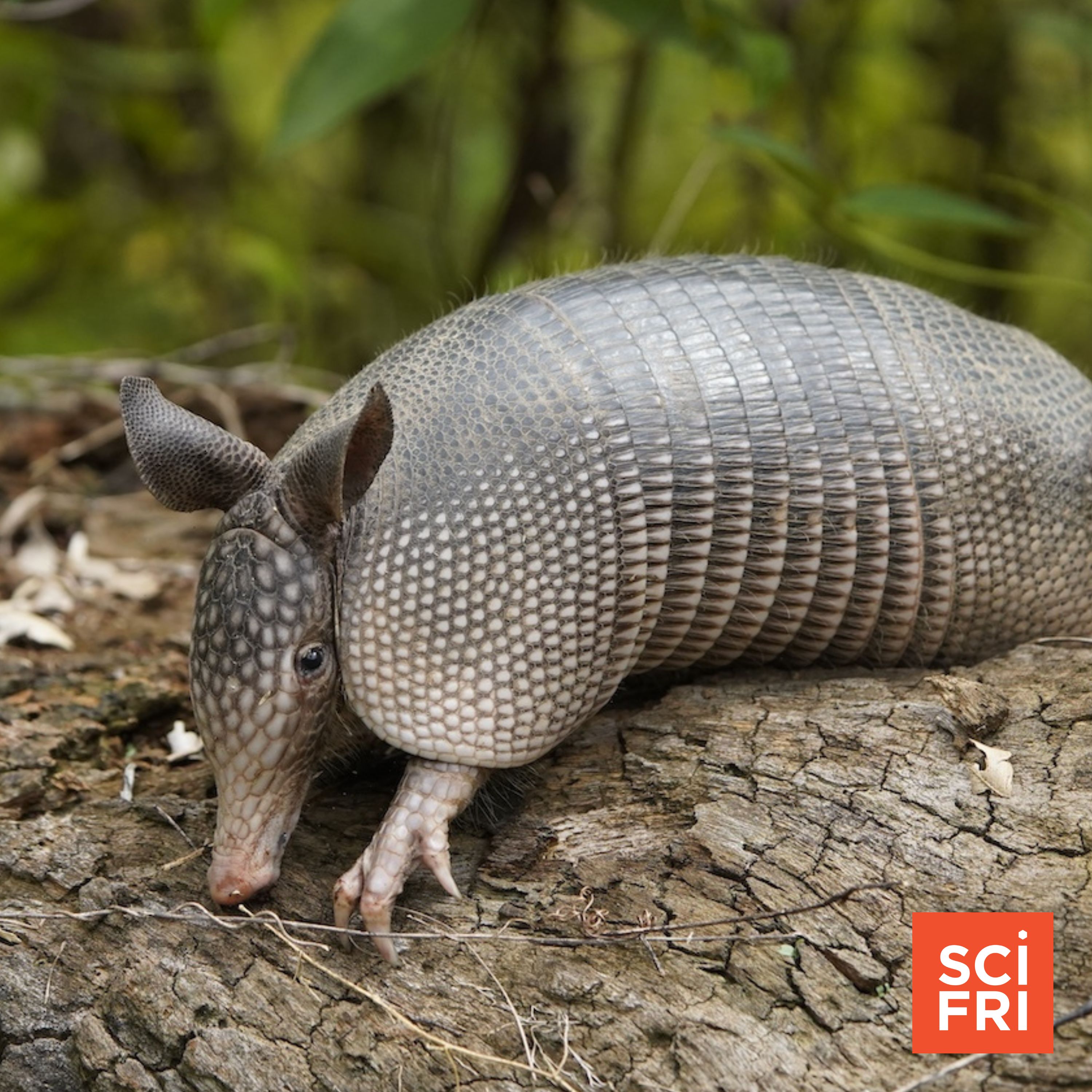
Armadillos turn warming ecosystems into living laboratories
Why are armadillos moving up north?
The species’ northward expansion offers a visible measure of how warming temperatures are reshaping habitats, wildlife interactions, and human health concerns.
- 1Nine-banded armadillos are expanding into Kentucky, Indiana, and neighboring states as warmer conditions open new territory.
- 2Their armor, omnivorous diet, reproduction, and defenses reveal how evolution equips species for changing habitats.
- 3The spread raises disease concerns, including leprosy transmission, and shows why wild armadillos should not be handled.
Don't miss
Anderson Feijó describes the nine-banded armadillo’s startling ability to jump five feet when startled.
The brief
Nine-banded armadillos are moving into Kentucky, Indiana, and neighboring states as the climate warms, making their expansion a visible signal of ecological change.
Giselle Rhoden reports on the species’ growing presence, while Anderson Feijó explains how its omnivorous diet and adaptable biology support an invasive-like expansion.
Feijó traces the trade-offs behind the armadillo’s defenses, from armor that predators can sometimes break to a startling five-foot jump.
The conversation also covers identical quadruplets, the diversity of armadillos, and the evolutionary differences among species such as the screaming hairy armadillo.
The northward spread carries public-health implications, including leprosy risk, and underscores why people should not handle wild or injured armadillos.
Weekly email
State of the Pod, every Monday
The week's most-discussed names and stories from podcasts, with the moments behind them. Free, five minutes, unsubscribe in one click.