Nov 6, 2026 · 19 min
Backyards become refuges for wildlife and grief
The SciFri Book Club reads ‘The Comfort of Crows: A Backyard Year’
The episode connects personal mourning and ecological loss with practical ways ordinary yards and balconies can restore habitat.
- 1Close observation of backyard wildlife can offer solace while sharpening attention to climate change and biodiversity loss.
- 2Native plants, fewer lawns, and retained leaves help rebuild local food webs for insects, birds, and other wildlife.
- 3Small spaces can support meaningful habitat, especially when restoration addresses harms people have introduced into local ecosystems.
Don't miss
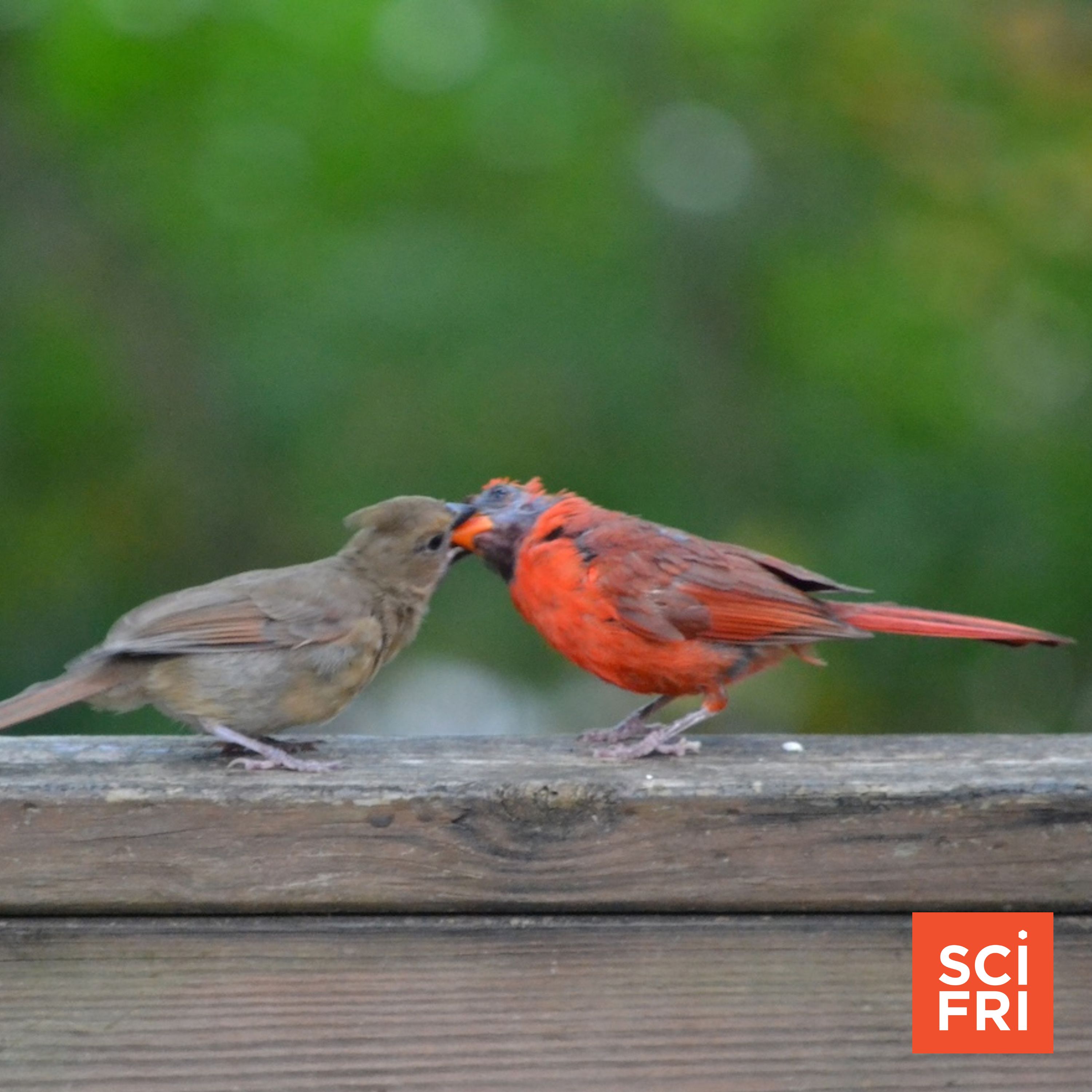
Renkl and Tallamy show how balconies, sidewalk strips, and small brush piles can become meaningful habitat.
The brief
Margaret Renkl describes how crows and other backyard wildlife offered kinship while she wrote about personal grief, ecological loss, and the need to fall in love with nature.
Her yard’s transformation—from sterile lawn to habitat—rests on practical choices: raising mower blades, leaving leaves, and planting natives that support caterpillars and specialist bees.
Entomologist Douglas Tallamy joins Renkl to explain how native plants rebuild food webs, turning even modest urban spaces into places where nature can recover.
The episode draws an ethical line between natural predation and damage caused by introduced species such as feral cats, arguing intervention is strongest when humans created the harm.
The standout idea is also the most accessible: balconies, sidewalk strips, and small brush piles can provide meaningful habitat and make restoration a continuing practice.
Weekly email
State of the Pod, every Monday
The week's most-discussed names and stories from podcasts, with the moments behind them. Free, five minutes, unsubscribe in one click.