Oct 30, 2026 · 12 min
Genome evidence places bats’ origins in ancient Europe
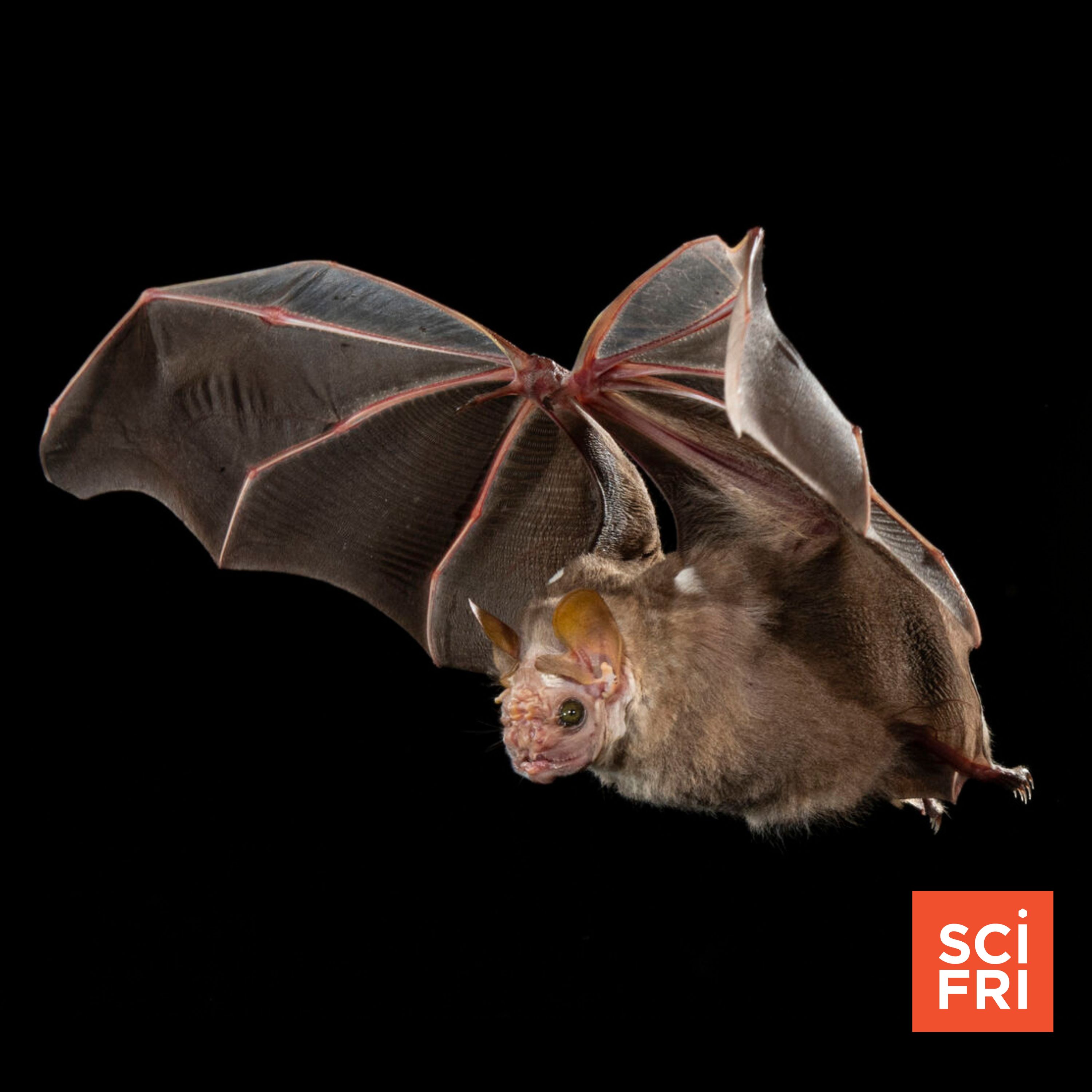
When, and where, did bats first take to the sky?
Pinpointing when bats emerged helps explain the evolution of flight, echolocation, and the extraordinary diversity of living bat species.
- 1BAT1K researchers combined 103 bat genomes with 65 fossils to reconstruct the group’s evolutionary history.
- 2The evidence places bats in Europe roughly 60–65 million years ago, shortly after the dinosaurs disappeared.
- 3Echolocation appears ancient, but the mammalian ancestors that first gave rise to bats remain unknown.
Don't miss
Emma Teeling explains why echolocation appears ancient even though the transitional forms leading to the first bats remain undiscovered.
The brief
Emma Teeling describes how the BAT1K consortium paired genome sequences from 103 bat species with 65 fossils to rebuild bat evolution.
The resulting family tree overturns some earlier assumptions about bat relationships while revealing how echolocation patterns complicate the story.
Genomic and fossil evidence points to bats emerging in Europe roughly 60–65 million years ago, shortly after the dinosaur extinction, before spreading worldwide.
Echolocation appears to be an ancient bat trait, yet researchers still lack the transitional fossils that would show which mammals produced the first bats.
Teeling argues that bats’ diversity makes their genomes difficult to compare but offers rare natural experiments in longevity, diet, and adaptation.
Weekly email
State of the Pod, every Monday
The week's most-discussed names and stories from podcasts, with the moments behind them. Free, five minutes, unsubscribe in one click.