Oct 23, 2026 · 35 min
NYPD built a citywide surveillance system with little oversight
How surveillance crept up on us
The episode shows how publicly funded police technology expanded after 9/11 and why enforceable limits matter as artificial intelligence magnifies its reach.
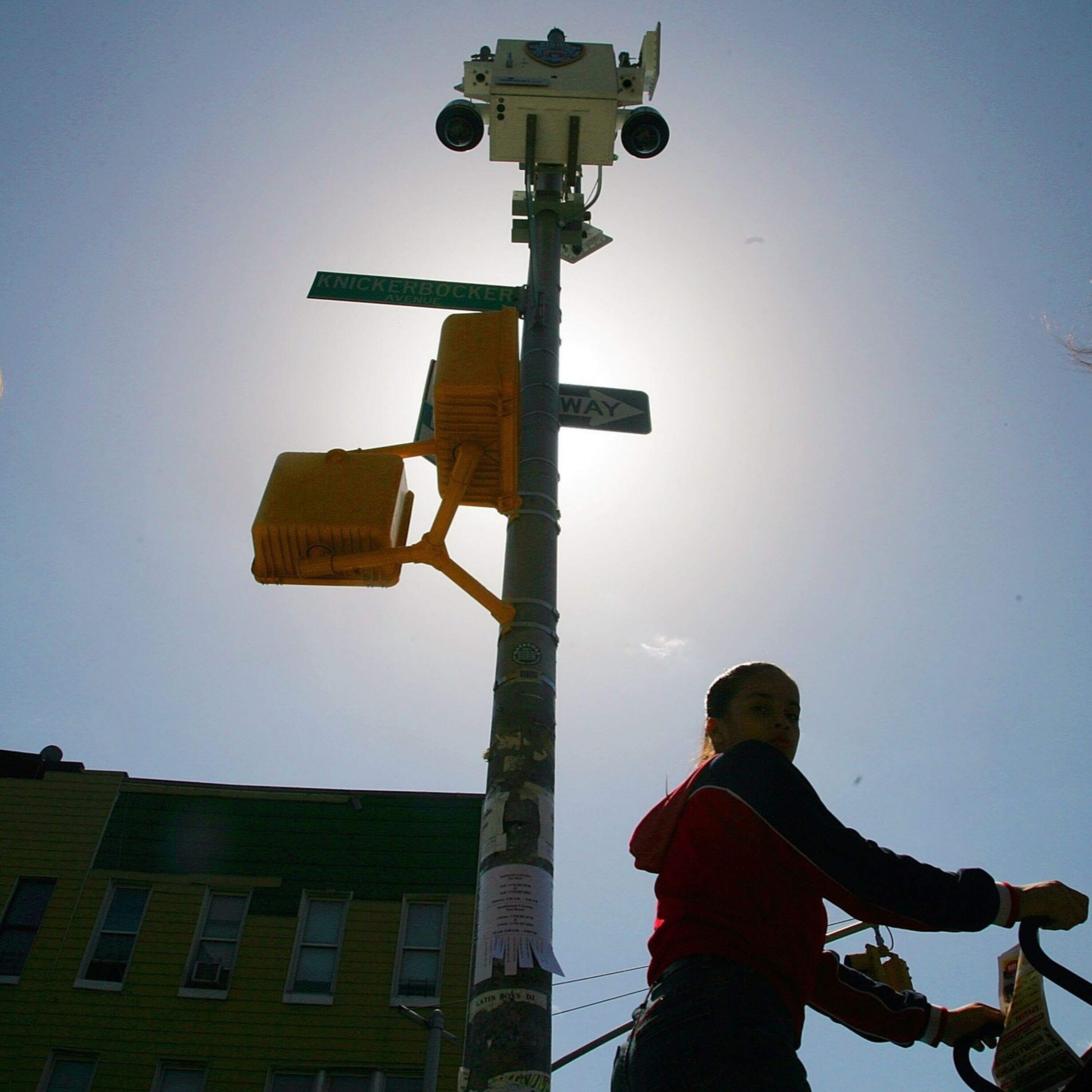
- 1The NYPD combined cameras, license plate readers, databases, and other tools into systems capable of tracking people across New York.
- 2Billions in federal and public funding helped expand police intelligence capabilities while procurement and oversight remained largely hidden.
- 3The POST Act and lawsuits improved transparency, but clear rules for data retention and analysis remain urgent as artificial intelligence advances.
Don't miss
The episode’s tour of New York’s Domain Awareness System shows how cameras, phones, license plates, 311 calls, and criminal records can be connected to individual profiles.
The brief
Kenny Malone’s grand-jury experience opens a question about how much surveillance evidence prosecutors can present, while civil rights lawyers describe the warrantless data available to police.
After 9/11, the NYPD moved beyond local policing into counterterrorism, using federal funding to build intelligence systems that later served ordinary criminal investigations.
Cameras, license plate readers, radiation detectors, 311 calls, phones, and criminal records became connected through the Domain Awareness System, creating profiles across New York.
Former comptroller Scott Stringer explains how informal purchasing arrangements let the NYPD acquire surveillance tools outside normal public oversight, prompting questions about legality and effectiveness.
The POST Act and lawsuits exposed contracts and purchases, but former NYPD captain Joe Pascarella argues that retention and use need bright-line rules before artificial intelligence makes the data more powerful.
Weekly email
State of the Pod, every Monday
The week's most-discussed names and stories from podcasts, with the moments behind them. Free, five minutes, unsubscribe in one click.