Nov 13, 2026 · 41 min
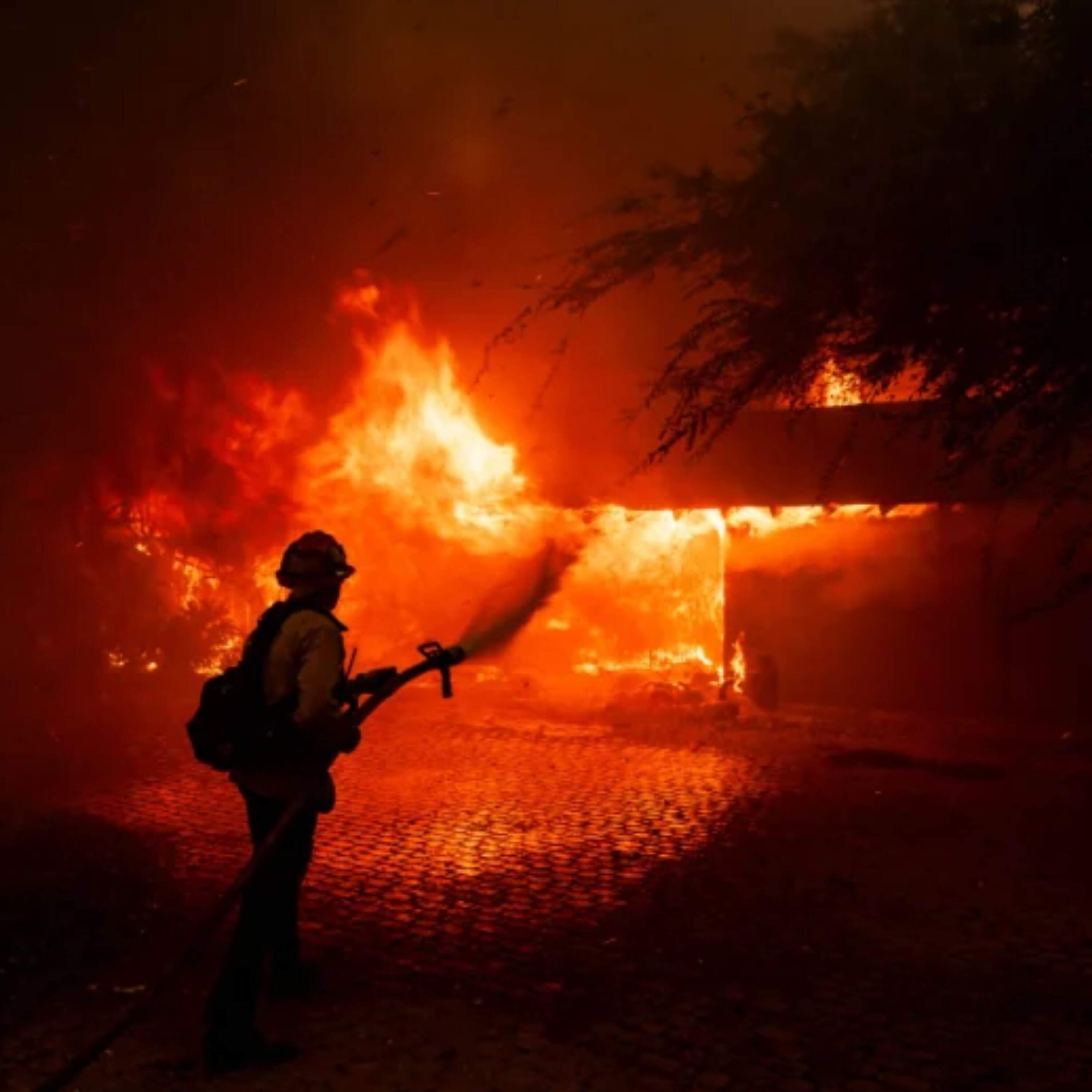
Paradise rebuilds as insurers retreat from wildfire risk
Are wildfires making the future uninsurable?
The episode shows how climate-driven losses, insurance rules, and rebuilding standards are colliding to determine whether vulnerable communities can recover.
- 1Wildfire losses are breaking traditional insurance calculations as simultaneous disasters threaten insurers’ solvency.
- 2California’s FAIR Plan offers a last resort, but limited coverage and rising enrollment expose its financial strain.
- 3Hardened homes and local inspections can unlock coverage, yet affordability still depends on rules and insurers’ willingness to adapt.
Don't miss
Mercury Insurance executives tour Casey Taylor’s wildfire-hardened home in Paradise and agree to cover it at a dramatically lower rate.
The brief
Heidi Lang’s experience in Paradise turns an abstract climate question into a household crisis: private coverage disappears, premiums surge, and the FAIR Plan becomes the fallback.
Judson Boomhower explains why insurers are retreating: climate change creates correlated losses, while regulation and limits on catastrophe modeling can block prices that reflect future risk.
Paradise residents rebuild with hardened materials and stricter standards, but Casey Taylor’s safer home still faces sharply higher premiums and FAIR Plan coverage.
The episode’s turning point comes when Jenny Goodland brings Mercury Insurance executives to Paradise; seeing the work firsthand helps secure Casey Taylor a dramatically lower rate.
California’s new rules allow forward-looking climate models while requiring more wildfire-area policies, leaving a difficult bargain between higher prices, stronger standards, and recovery.
Weekly email
State of the Pod, every Monday
The week's most-discussed names and stories from podcasts, with the moments behind them. Free, five minutes, unsubscribe in one click.